Stone temples. Wooden shrines.
One valley's faith.
Explore Kashmir's most historic temples and mosques and explore the journey with us.




Top Temples and Shrines
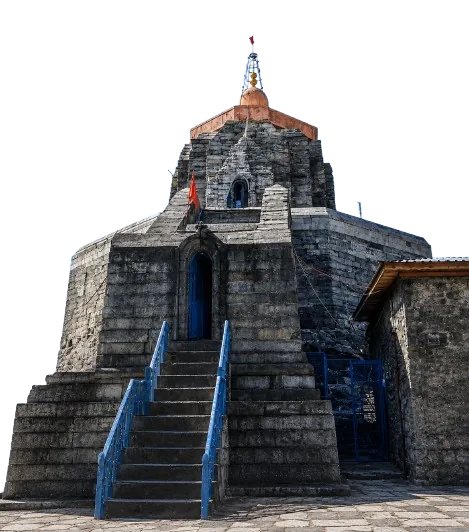
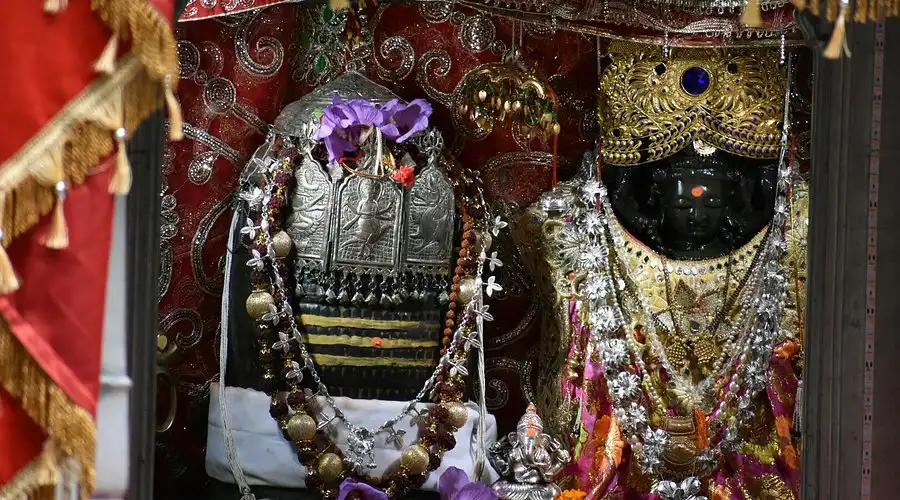
Shankaracharya Temple
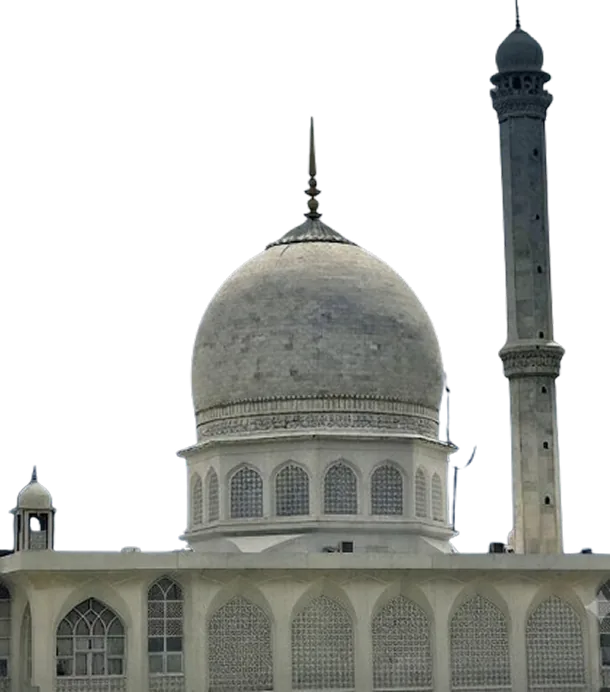
Hazratbal Shrine
Amarnath Cave
Khanqah-e-Moula
Book your sacred journey now
Book your sacred journey now
Enquire for Your Yatra
Our team will call you back shortly
Why Choose Us
Explore spiritual tour with us
Lorem ipsum dolor sit amet consectetur. Ultrices volutpat cursus id justo turpis tellus. Tempor morbi aliquet volutpat varius magna sed et pharetra. Nisl vivamu
Enquire us
Rest & Waiting Lounge
Satvik Food & Counters
Quick Pooja Booking
Local Guide Support
Embark most enlighten Temples and Shrines of Kashmir

Kashmir Popular Packages

Shikara Ride
Asia's highest cable car with sweeping

Gulmarg
Asia's highest cable car with sweeping

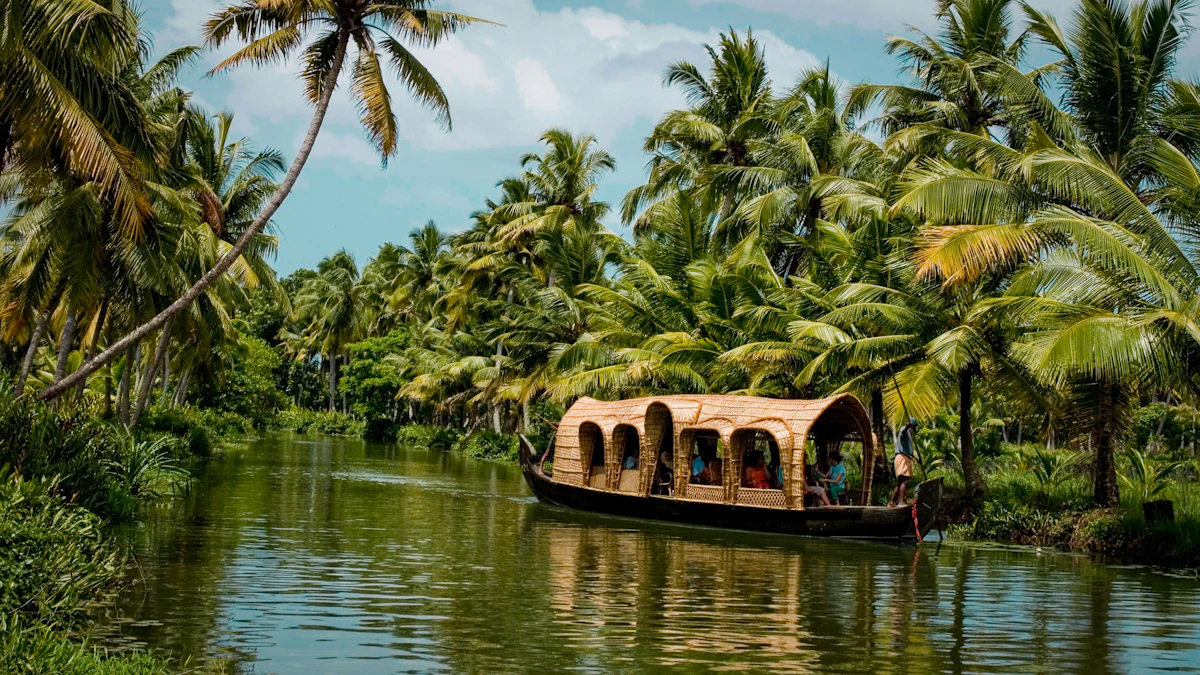
Kashmir Boat
Asia's highest cable car with sweeping

Pahalgam
Asia's highest cable car with sweeping

Sonamarg
Meadow of gold beneath the glaciers

Betaab Valley
Nature's own green canvas

Dal Lake Houseboat
Wake up to mist over the water

Aru Valley
Pine forests and quiet meadows
What Travellers say about us
The darshan timings and dress code notes were spot on. We reached Shankaracharya well before the morning aarti and never once felt rushed.
Our Kheer Bhawani visit was arranged beautifully. The team handled the cab, the prasad and even the steps assistance for my mother.
We did Hazratbal and Jamia Masjid in a single morning without any chaos. The local guide explained the history at every stop.
Booked the Amarnath yatra transfer through them. Every checkpoint, every halt and the return cab were sorted before we even asked.
The satvik food counters and the rest lounge made a long pilgrimage day genuinely comfortable. Would book this again without hesitation.
Charar-e-Sharief was on our list and they built the whole day around it. Clear timings, honest pricing and a driver who knew the route.
The darshan timings and dress code notes were spot on. We reached Shankaracharya well before the morning aarti and never once felt rushed.
Our Kheer Bhawani visit was arranged beautifully. The team handled the cab, the prasad and even the steps assistance for my mother.
We did Hazratbal and Jamia Masjid in a single morning without any chaos. The local guide explained the history at every stop.
Booked the Amarnath yatra transfer through them. Every checkpoint, every halt and the return cab were sorted before we even asked.
The satvik food counters and the rest lounge made a long pilgrimage day genuinely comfortable. Would book this again without hesitation.
Charar-e-Sharief was on our list and they built the whole day around it. Clear timings, honest pricing and a driver who knew the route.
Before you go
Kashmir temple & shrine questions
Yes. Shankaracharya Temple, Kheer Bhawani and the other temples in the valley are open to visitors of every faith, and so are the shrines — Hazratbal, Charar-e-Sharief and Khanqah-e-Moula all receive non-Muslim visitors daily. The one common restriction at Muslim shrines is that the innermost chamber is reserved for men, with a separate women's section alongside; the courtyards and main halls are open to everyone.
Cover shoulders and knees at every religious site in the valley. For shrines, women should carry a scarf to cover the head before entering — most shrines keep spare scarves at the entrance if you forget. Footwear comes off before the inner sanctum everywhere, so shoes you can slip on and off save a lot of time. Leather items are best left in the car at temples.
Two days covers the Srinagar cluster comfortably — Shankaracharya, Hazratbal, Khanqah-e-Moula and Jamia Masjid are all within the city, and Kheer Bhawani at Tullamulla is about an hour out. Add a third day if you want Charar-e-Sharief on the way to or from Yusmarg. Amarnath is not part of this circuit; it is a separate multi-day yatra with its own season and registration.
The yatra runs for roughly two months in summer, usually from late June or early July to the Shravan Purnima full moon in August, and the exact dates are announced each year by the Shri Amarnathji Shrine Board. Registration is compulsory and opens months in advance through the Board and designated bank branches, and it requires a Compulsory Health Certificate from an authorised doctor. Because the dates and the quota shift every year, confirm them with us before you book flights.
The Pahalgam route is the traditional one at roughly 46 km, walked over three to four days through Chandanwari, Sheshnag and Panchtarni, and it is the gentler climb. The Baltal route is about 14 km and can be done in a single long day, but it is far steeper and harder on the knees. Pony, palki and helicopter services operate on both. Choose Pahalgam if you have the days and want to acclimatise, Baltal if you are short on time and reasonably fit.
Most temples open around sunrise and close by sunset, with Shankaracharya's hill road shutting earlier in winter and in poor light. Shrines follow prayer times, and Hazratbal, Charar-e-Sharief and Jamia Masjid are busiest at Friday afternoon prayers — visit on another day or outside that window if you want a quieter walk-through. Timings shift with the season and with local advisories, so we confirm them the morning of your visit rather than promising a fixed slot.
No permit is needed for any temple or shrine in the valley, and no separate permit for Kashmir itself. Shankaracharya Temple sits inside a security zone: phones and cameras are usually deposited at the base checkpoint before the drive up, and bags are screened. Carry a government photo ID everywhere. Amarnath is the exception that does require documentation — the yatra permit and health certificate described above.
The Shrine Board sets age limits for the yatra each season — historically no one below around 13 or above around 70, and expectant mothers beyond six weeks are not permitted. Within those limits, the helicopter service to Panchtarni followed by a short pony ride makes the darshan realistic for older pilgrims who cannot manage the trek. For families travelling with young children, the Srinagar temple circuit and Kheer Bhawani are the better plan.
Easily, and most of our travellers do. Shankaracharya overlooks Dal Lake and pairs naturally with a shikara ride and the Mughal gardens on the same day. Hazratbal is on the Dal's northern bank, minutes from the gardens. Kheer Bhawani sits on the road towards Sonamarg, and Charar-e-Sharief is on the Yusmarg road, so both slot into a day you were already spending on that side of the valley.
It varies by site and it is the one rule worth asking about at the gate. Exteriors and courtyards are generally fine, inner sanctums usually are not. Shankaracharya normally does not allow cameras or phones past the security check at all. At shrines, avoid photographing people at prayer without asking first — it is the fastest way to cause offence at an otherwise welcoming place.
Still have a question? Ask Sartaj directly — born and raised in Kashmir, 20 years of planning these trips.