Uncategorized

Delhi to Ladakh Tour Package
Uncategorized

Delhi to Ladakh Tour Package – Explore Leh, Nubra, and Pangong Lake

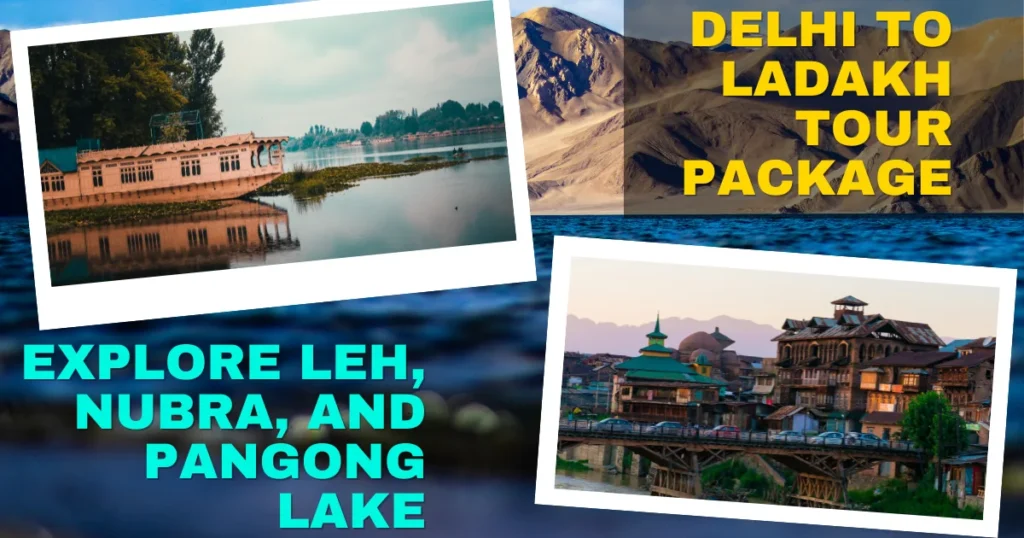
There are some journeys that feel less like travel and more like a quiet walk into another world. Ladakh is one such place. When you begin your path from Delhi, the road rises slowly, as if the mountains are inviting you step by step. The Delhi to Ladakh Tour Package becomes a gentle unfolding of sky, stone, wind, and silence — all meeting you with the softness of a place that has learned to live beyond time. Ladakh does not speak loudly. It lets the wide sky stretch above you, it lets the cold wind brush past your face, it lets the mountains stand still the way only old giants can. And as you move deeper into this land, you begin to feel that the journey is changing you quietly, without hurry, the same way mornings rise over distant ridges. Leh Ladakh Trip from Delhi A Leh Ladakh trip from Delhi always begins with that first breath in Leh — thin, cold, and strangely peaceful. Prayer flags flutter in the wind, monks walk with slow steps, and the small lanes hold the silence of centuries. You look around and realise that here, even stillness has its own rhythm. Delhi to Leh Itinerary A Delhi to Leh itinerary moves slowly, just as Ladakh wishes it to. The first day is spent letting the body settle into the height. Then you wander through places such as Shanti Stupa, which hovers peacefully above the entire city and is kissed by soft light on its white dome. Leh Palace is seeing old walls that have seen seasons, wars, and stories move through like clouds. And when you stand beside the merging of the Indus and Zanskar without sound or movement, you understand how quietly the land has threaded its stories together. Pangong Lake Tour The road towards the Pangong Lake tour rises through long bends and quiet passes. And then the lake appears, not suddenly, but like a thought you have carried for a long time. Blue, still, endless. The mountains stand beside it the way old friends stand in silence. You watch the colours shift on the water, soft and slow, and for a moment the world feels perfectly still. Pangong does not astonish — it simply holds you quietly. Nubra Valley Sightseeing During Nubra Valley sightseeing, the road moves across high passes and then opens into wide stretches of sand and soft light. The river flows gently, the dunes lie calm, and the distant monasteries sit on the hills like small lamps waiting for dusk. The double-humped camels walk with slow steps, as if they have learned to match the pace of this quiet valley. Nubra feels like a meeting of two worlds — the cold mountains and the warm desert — living together without conflict. Leh Ladakh Road Trip A road trip to Leh Ladakh is a discourse with the mountains. The road bends and ascends, the sky opens, and the wind traverses over like a suspended narrative retold again. From time to time it feels like the landscape is empty, though it is never isolated. The mountains do not talk, and they say everything. Within those long stretches of silence, something in your mind aligns, a layer of dust laid to rest after a day. Ladakh Adventure Tour A Ladakh adventure tour has its own quiet strength. A steep turn, a narrow trail, a cold river every challenge comes softly, without noise, and leaves you with a quiet sense of courage. The treks, the rivers, the remote villages — nothing here demands attention, yet everything stays in memory. Best Time for Ladakh Trip The best time for a Ladakh trip is from May to September, when the passes open and the valleys breathe freely. During these months, the lakes reflect clear skies, the slopes bloom with small flowers, and the nights sparkle with stars that come closer than anywhere else. Delhi to Ladakh Travel Guide This simple Delhi to Ladakh travel guide is only a reminder that Ladakh is not a place to rush through. It is a place to stand still, to breathe slowly, to look again. And for travellers who wish to walk this quiet road with ease, Kashmir Tour Package brings the Delhi to Ladakh Tour Package as a gentle way to step into a land where silence, mountains, and sky share the same soft voice. FAQs – Delhi to Ladakh Tour Package How many days are enough for a Delhi to Ladakh Tour Package? Most travellers feel that 7 to 10 days give enough time to see Ladakh without rushing, because the mountains ask you to move slowly and breathe gently. Is it safe to travel from Delhi to Ladakh by road? Yes, it is safe when the roads are open and the weather is clear. The journey is long, but the mountains make every mile steady and calm when travelled with care. What is the best time for a Ladakh trip? The best time is from May to September, when the passes open, the lakes turn blue, and the sky remains clear enough for long, quiet days. Can beginners handle high altitude in Ladakh? Yes, if you rest well on the first day and let the body settle into the thin air. Ladakh always asks travellers to slow down and adjust with patience. Is Pangong Lake included in the Delhi to Ladakh Tour Package? Yes, most journeys include Pangong because it is a place that stays in the heart long after you leave its quiet blue shores. What can I expect during Nubra Valley sightseeing? Soft dunes, calm villages, distant monasteries, and long stretches of silence. Nubra is a valley where the desert and the mountains meet gently. Is a Leh Ladakh road trip difficult? The road has sharp turns and high passes, but if travelled with care and time, it becomes one of the most peaceful journeys through the mountains. What kind of clothes should I carry for Ladakh? Warm layers for the
Srinagar Tour Package
Uncategorized

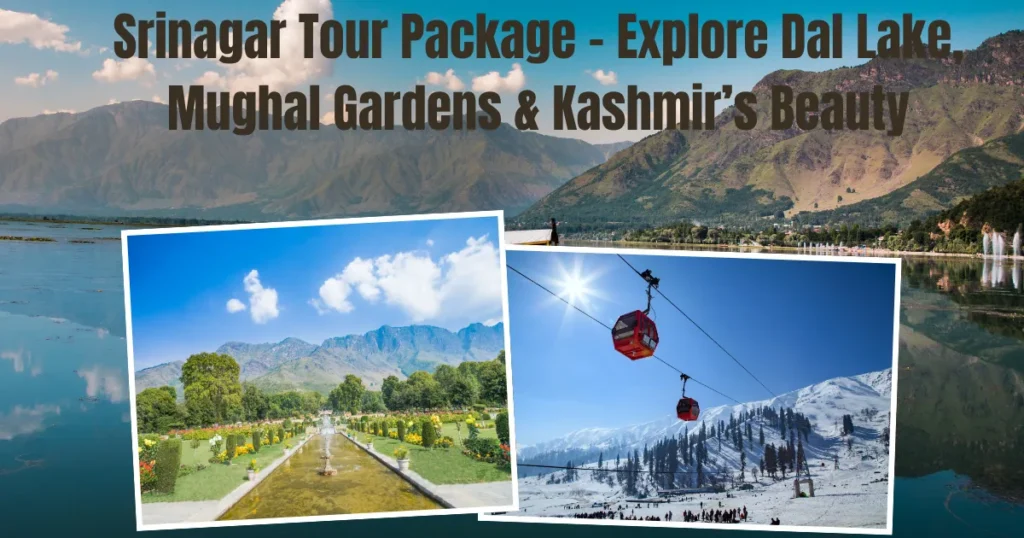
Srinagar Tour Package – Explore Dal Lake, Mughal Gardens & Kashmir’s Beauty

Some journeys do not begin with excitement; they begin with a kind of quiet that slowly fills the heart. A Srinagar Tour Package is like that. It is a journey into a valley where the mountains stand patiently, where the lake reflects the sky without a ripple, and where the wind moves softly through tall trees. Nothing here asks you to hurry. You walk into Srinagar the way you walk into an old dream—slowly, letting the silence settle around you. Srinagar Sightseeing Tour – The City Wakes Without Noise Morning in Srinagar opens the way a flower does, gently and without effort. On a Srinagar sightseeing tour, you pass through narrow lanes where old wooden homes lean over the road as if listening to the footsteps below. Shops open quietly, a shutter lifted here, a kettle placed on a stove there, and life begins without breaking the peace that has rested through the night. The climb to Shankaracharya Temple rises slowly. At every turn, the city falls deeper into silence behind you. And when you finally stand on the hilltop, Srinagar lies below like a calm picture—lake and sky holding each other without a line between them. Later, at Hazratbal Shrine, the white walls shimmer even when the clouds hang low, and the pigeons take flight in one soft motion, filling the air with wings that sound like a whispered prayer. Dal Lake Shikara Ride – A Quiet That Stays The Dal Lake shikara ride feels less like a ride and more like floating inside a moment. The oar softly grazes the surface of the water, ripples expand and drown, and everything in sight appears to be moving at the slow breath of the lake. You see a boat holding flowers, bright colors against pale water. You see mountains reflected in the lake, shivering lazily in the breeze. And once in a while the mist descends, overtaking the edges of the world, and you sit in that shroud of whiteness, feeling as if the lake folded you into its silence. A Srinagar Tour Package without this gentle drift across the water would feel unfinished, like a morning without its first light. Mughal Gardens Srinagar – Places That Remember Peace The Mughal Gardens Srinagar feel like old memories placed carefully among water, stone, and grass. Shalimar, Nishat, and Chashme Shahi are not gardens that you rush through. You move leisurely here, catching the sound of fountains splashing up in thin arcs, observing sunlight settling softly on the high, leaves covered chinar trees. The breeze is wandering in the garden in a familiar way as if it is telling you stories from long ago. You are sitting by the water channel, catching the reflections, slowly waving, and an inner place becomes quiet—still, and awake. Srinagar Houseboat Package – Nights That Rest on Water A Srinagar houseboat package brings you into nights that open slowly. The lamps inside the boat glow like small stars, their reflections trembling on the water below. The carved wood, the warm light, the soft rocking of the lake—all of it makes you feel held rather than carried. When night deepens, the mountains become dark shapes standing over the water. The wind touches the windows softly, and the whole lake feels as if it has fallen into prayer. And when the morning mist rises, lifting itself from the surface of the lake, the world appears again—calm, fresh, familiar. Best Places to Visit in Srinagar – Corners Where Time Slows The best places to visit in Srinagar are not only the famous ones. They appear in the small turns of the road, in the smell of freshly baked bread from an old bakery, in the quiet of a wooden bridge over the Jhelum, in the slow opening of a shop where the day starts with a smile instead of noise. The gardens and shrines are beautiful, but Srinagar also lives in its smaller corners—places where life moves gently, where the mountains appear suddenly between houses, where children run along the water’s edge without care for time. These are the places that stay. Srinagar Gulmarg Pahalgam Tour – Roads with Changing Silences Many travellers choose to take the Srinagar Gulmarg Pahalgam tour because the valley does not end with the city. Gulmarg opens under the wide sky, its meadows stretching like a green breath over the land. Pahalgam rests beside the river, where the water moves over stones with a soft, steady sound that becomes part of your own rhythm. And when you return to Srinagar, the city feels even quieter than before, as if it has kept its silence safe for you. Srinagar Travel Itinerary – A Journey That Lives in the Heart A Srinagar travel itinerary cannot be tied to minutes and hours. It moves the way the lake moves—slowly, carrying reflections of days that will not be forgotten. You walk, you sit, you listen, you breathe, and the journey writes itself inside you. For those who wish to walk through this valley with calm steps and an open heart, Kashmir Tour Package brings the Srinagar Tour Package as a simple path into a world where mountains wait, lakes speak softly, and days pass like pages of a gentle story. And when you finally leave, you carry with you a quiet that feels warm, a memory that does not fade easily. FAQs for Srinagar Tour Package What makes the Srinagar Tour Package feel special? This journey feels special because Srinagar does not hurry you. The lake, the mountains, and the gardens open slowly, letting you feel the place rather than just see it. Every day here carries its own quiet, and that becomes a part of the traveller. What is the best time to visit Srinagar? Srinagar welcomes travellers in every season, but the months from March to June bring gentle sunshine, blooming gardens, and clear views of the valley. Even the cold months have their own charm, when the mist hangs low and the lake turns still.

Gulmarg Honeymoon Package Tour
Uncategorized

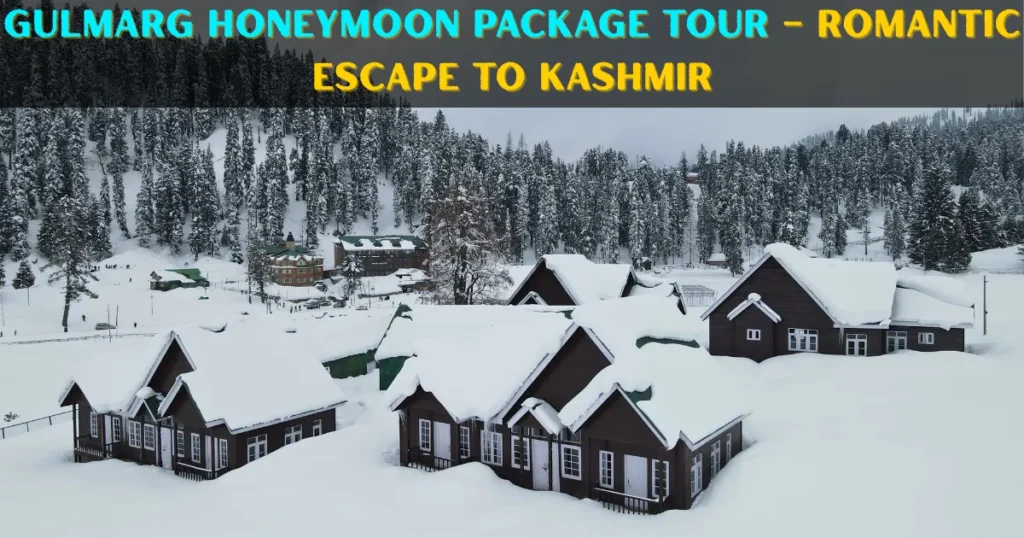
Gulmarg Honeymoon Package Tour – Romantic Escape to Kashmir

In some places silence keeps you company instead of leaving you hollow and snow does not bite the heart – it wraps it in a calm, gentle warmth. Gulmarg is such a place. The hills lift in slow curves, the pines grow straight plus unhurried and the meadows seem to store sunlight for hundreds of years. A Gulmarg Honeymoon Package Tour does not begin with a checklist of sights. It begins with two people walking into a valley where love grows at its own slow, gentle pace. The air feels different here. The wind carries the softness of winter, and every turn in the road opens a view that quietly holds you still. There is nothing loud about Gulmarg. Its beauty is like a whisper, like the way snow falls when the world is half-asleep. And for couples who want time to breathe, time to pause, time to simply hold hands without rush, this valley becomes the first chapter of a memory that stays. Honeymoon in Gulmarg – Where Snow Holds Its Own Warmth A honeymoon in Gulmarg feels less like a trip and more like a slow unfolding. You wake up to windows touched by frost, to a sky that changes its colors without warning, to hills that seem to stand still for your sake alone. When snow settles over the ground, the world turns quiet in a way that only lovers understand. The meadows stretch far, white and wide, and the sound of footsteps on fresh snow becomes the only music you need. The cold brushes your face, but the warmth of shared laughter fills the air. Evenings slip into one another gently—two hands around a cup of kahwa, soft lights in small cafés, and the comfort of sitting close while silence settles outside. This is why so many cherish a romantic trip to Kashmir, because here even winter feels like a blessing. Gulmarg Tour Itinerary – A Journey Through Meadows and Sky A Gulmarg tour itinerary is simple because Gulmarg itself is simple. Not empty. Not quiet. But calm. The road from Srinagar moves slowly through hills that rise and fall like a soft breath. Chinar leaves glow in the sun, and the pine forests open their arms as the car climbs higher. And then, there is the Gulmarg Gondola—a small cabin that rises above the valley, carrying two people into the sky. Below, the meadows spread like a white sheet, untouched and endless. Above, the mountains stand with a kind of silent pride. Couples often do not speak much in the Gondola. They just watch the world fall away beneath them, and that is enough. A little further, Apharwat Peak waits—cold, bright, and beautiful. The wind carries flakes of snow across the slopes, and the sky feels close enough to touch. These are not places you simply visit. These are places that settle in some corner of your memory and return to you long after the journey ends. Snow Honeymoon Packages – When Winter Becomes a Gentle Companion Winter in Gulmarg walks slowly, like someone who knows you need time. That is why snow honeymoon packages feel so special here. You walk through powder-soft snow that rises quietly around your feet. You leave footprints that disappear by morning, as if the valley wants to keep your moments safely hidden. And as evening approaches, the cafes light their lamps, the smell of kahwa fills the air, and the chill becomes such that you curl up together. Winter teachers love to slow down, to breathe, to settle quietly in the heart. This is not a loud celebration of summer. This is the soft beginning that two people carry with them throughout their lives. Gulmarg Winter Trip – When the Valley Turns Pure White A Gulmarg winter trip has its own way of speaking. The meadows that were green in summer now lie under a blanket of snow. The pine trees stand tall. Snow weighs their branches down. The sky hides behind soft grey clouds. The valley still looks calm, not empty. Walking here feels like stepping into a quiet tale that tells itself. The breeze brushes your face. The snow crunches under your boots. A deep silence folds around you like a promise. Nothing here shouts – yet every space feels complete. Kashmir Honeymoon Tour – A Memory That Stays Without Asking A Kashmir honeymoon tour often begins with excitement, but it returns as memory. Couples say that Gulmarg does not end when the journey ends. It stays in the soft snow that falls in their thoughts long after. It stays in the quiet mornings when the hills look almost golden. It stayed in the evenings when the valley sank slowly into blue light and everything felt peaceful for no reason at all. Kashmir has always been a place where nature looks gentle even in its grandness. It welcomes newlyweds the way a calm river welcomes the dawn—with a silence that is not empty, but full of meaning. Best Time to Visit Gulmarg – When the Valley Opens Slowly The best time to visit Gulmarg depends on how you want the valley to greet you. If you love soft meadows and sunshine that rests on the hills, summer walks with an easy smile. If you wish to see spring unfold like a slow poem, March and April cover the valley with quiet colors. But if you want Gulmarg at its purest and calmest, winter stands waiting—with snow that settles on rooftops, on trees, on hands, and on hearts. Each season has its beauty, but winter carries a depth that touches something tender inside. Kashmir Travel for Couples – A Beginning That Lives Quietly Every journey has an ending, but Kashmir travel for couples feels different. It does not end on the road or at the airport. It ends slowly, like snow melting into water, like light fading gently at dusk. And even then, it remains. For couples who want to begin their life with calm, with beauty,

Best Trekking Routes in Kashmir for Adventure Lovers
Uncategorized

Best Trekking Routes in Kashmir for Adventure Lovers – Top Trails to Explore

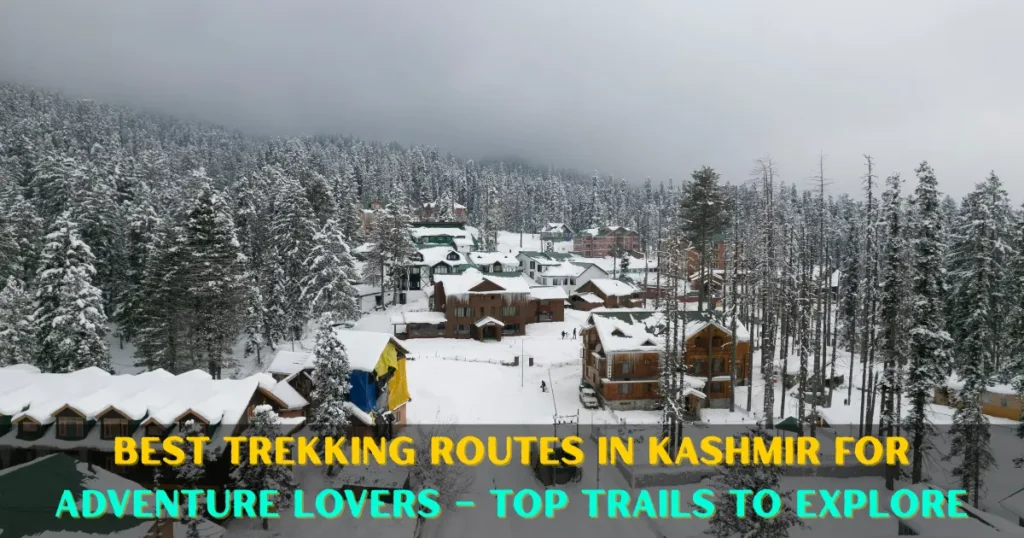
There are mountains that rise suddenly, and there are mountains that seem to grow slowly before your eyes, as though they do not want to startle you. Kashmir belongs to the second kind. Here the valleys lie open like soft pages, the lakes hide quietly behind ridges, and the meadows stretch so far that you feel the sky leaning closer with every step. And when you begin to look for the Best Trekking Routes in Kashmir for Adventure Lovers, you realise that these are not just paths in the hills but gentle journeys where the silence walks beside you. The land opens slowly. A stream appears without warning, a cluster of pines stands alone like old guardians, and a breath of wind brings with it the smell of grass and wet soil. Nothing here rushes. Everything seems to wait for the traveller to arrive at his own pace, and that is why every trek in Kashmir feels less like an adventure and more like a conversation with the mountains themselves. Kashmir Tour Package brings this guide in that same spirit — quiet, steady, and filled with the kind of moments that stay long after the walk ends. Best Trekking Routes in Kashmir – A Soft Kashmir Trekking Guide A Kashmir trekking guide begins with the morning light slipping through the deodar trees. The trails do not push you forward; they let you walk slowly, letting the land reveal itself little by little. The sound of a hidden stream, the call of a distant bird, the rustle of dry leaves under your shoes—these become your first companions on the trail. And as the day grows, the mountains shift their shades gently, from pale blue to deep green, and sometimes to a silvery grey when the clouds drift low. You begin to understand that trekking here is not about reaching a point on a map; it is about walking inside a silence that welcomes you without saying anything at all. Kashmir Adventure Tour – When the Mountains Stay Close A Kashmir adventure tour is not loud or restless. It moves with the calm of the hills. You go through forests where the light comes down in thin strips, then step into wide open meadows where the sky feels wide enough to contain every thought you came in with. The climbs build up slowly, with pathways that twist and turn, and sometimes the mist will come down the slopes like a curtain being drawn across a window. And when it lifts, the mountains stand close again, as if they had only stepped away for a moment. Great Lakes Trek Kashmir – Lakes that Hold the Sky The Great Lakes Trek Kashmir feels like a quiet dream that changes its shape every few hours. You walk through wide meadows where horses graze lazily, and then climb towards ridges where the air turns clearer. And suddenly, without a sound, a lake appears below—Vishansar, Krishansar, Gadsar—still, deep, and carrying the whole sky in its water. The mountains rise around these lakes like walls built out of silence, and the wind moves slowly across the surface, creating ripples that look like lines being written in blue. You stand there without speaking because the place itself demands nothing more than that. Tarsar Marsar Trek – A Journey in Shades of Blue The Tarsar Marsar trek is full of lakes that change their color with the hour. Morning gives them a soft blue, noon turns them bright and clear, and evening paints them silver as the light grows faint. The path winds through fields of wildflowers, past shepherd huts with smoke curling from their roofs, across streams that run cold from the melting snow. You walk quietly, because the place itself walks quietly with you. Sonmarg to Vishansar Trek – Meadows that Breathe The Sonmarg to Vishansar trek begins with long, open meadows where the grass moves in waves when the wind runs across it. The mountains stay at a distance at first, then come closer as you walk deeper into the valley. Small streams flow across the ground, and at times a flock of sheep comes through, their bells ringing mildly in the air, where it seems to linger for quite a while. Vishansar Lake sits at the end of this trail, still and clear, holding the image of the mountains above, as if it has been doing that for numerous years and has not been disturbed. Easy Treks in Kashmir – For Walkers Who Prefer Silence The easy treks in Kashmir are meant for those who like to walk slowly, for those who want to feel the mountains without climbing too high. Yusmarg, Doodhpathri, Gulmarg, and Bangus Valley offer quiet paths, soft slopes, and long stretches of land where the day moves gently, without hurry. Walking here feels like listening to a story being spoken softly. Nothing loud. Nothing rushed. Best Time for Trekking in Kashmir – When the Valley Wakes The best time for trekking in Kashmir is when the snow begins to slip away from the hills, and the valleys open their eyes again. From June to September, the meadows turn green, the flowers rise carefully from the earth, and the lakes shine with a clarity that feels almost unreal. The days stay warm, the nights turn cold enough to remind you that the mountains are close, and the sky fills with stars that look like tiny lamps placed gently in the dark. Himalayan Trekking Routes – Where Time Moves Slowly The Himalayan hiking trails in Kashmir contain a silence that seems older than recollection. The ridges rise like the backs of slumbering giants, the forests stand dense and dark, and the clearings come suddenly, bright and open to the sun.  You move your way across this territory slowly, as every few steps something new comes into view—a lone flower blooming, a peaceful brook, a shadow darting across the grass. And the mountains watch, as they always do. Why These Trails Stay in the

Houseboat Stay in Srinagar
Uncategorized

Houseboat Stay in Srinagar – Experience Luxury on the Dal Lake

There are some journeys that come softly into one’s life, and a Houseboat Stay in Srinagar is one of them. It starts quietly, at a steady pace, just like the first light of dawn on the lake before any one wakes. You arrive not into a bustling city, but a quiet lake with mountains, far away, as quiet companions. And as you take your first step onto the wooden deck of the houseboat, you feel something shift within you — a kind of peace that occurs when the world around you rests its breath.  Dal Lake lies quietly, bearing the sky on its surface, and the mountains beyond appear to emerge from the silence. It bears water that has memories of long ago, and the wind gently arrives with a coolness like that of an old friend who has just arrived after a long time. This is the place your journey begins — gently, slowly, like a story that does not need to rush to its meaning. Dal Lake Houseboat Stay – Where Life Moves Without Noise When you wake on Dal Lake, the morning does not arrive suddenly. It comes the way mist climbs the hills — quietly, softly, with a kind of respect for the lake that holds it. The Dal Lake houseboat feels like sitting inside a moving painting. The first sounds you hear are not of traffic or footsteps, but the small dip of an oar in the water, the faint call of a bird, the distant voice of a shikara man greeting another across the lake. Inside the houseboat, everything feels warm and wooden and lived-in. The carvings on the walls seem to carry stories of the people who shaped them. Sunlight filters through the lace curtains, and the smell of fresh kahwa floats through the air. You sit by the window and watch the water hold the color of the morning sky — pale at first, then brighter, then full of moving light. People often say they want to find the best houseboats in Kashmir, but the truth is simpler. The best houseboat is the one where the water feels like home, where the silence has space for your thoughts, and where the mornings arrive with the gentleness you didn’t know you were looking for. Nigeen Lake Houseboats – When Silence Becomes a Companion Some travellers choose Nigeen Lake, and they do so for its silence. The Nigeen Lake houseboats stand away from the movement of Dal, in a corner where the sky seems a little wider and the water a little deeper in its calm. Here, the lake barely moves. The willows bend close, their leaves brushing the water as if reminding it to stay quiet. A stay on Nigeen feels like stepping out of the world and into a pause. You watch the fisherman row past slowly, his paddle making small circles on the surface. A kingfisher dives once, then disappears into stillness again. And in these small movements, you feel the day settle into a kind of peace that asks for nothing more than your presence. For newly married couples, this place becomes a small world of their own. A Srinagar honeymoon package often brings them here, but it is the lake that keeps them close. Love grows easily in places where time moves gently, where silence comforts instead of frightens, and where the evenings come with the soft light of lamps reflecting on the water. Srinagar Houseboat Booking – A Journey That Begins with a Feeling People often talk about Srinagar houseboat booking, comparing rooms and prices and views. But a houseboat is not chosen that way. It is chosen the way one chooses a quiet corner to sit in — through feeling. You look at a houseboat and something in you says yes, this is where I can rest. The houseboat stay price changes with season and comfort, but the value is never in the price. It is in the slow mornings, the still afternoons, the evenings colored with gold. It is in the conversations you have with the caretaker, in the warmth of the tea they bring to your room, in the stories they share of winters when the lake froze and the world looked different. A houseboat is not just a stay; it is an old memory being shared with you. Luxury Houseboats Srinagar – Comfort Woven into Silence There are houseboats on both lakes that carry the charm of history and the softness of comfort. The luxury houseboats Srinagar offers are not loud or glittering. Their luxury lies in their warmth — in the carvings on the walls, in the soft carpets under your feet, in the bed that feels like a quiet place to rest after a long day on the water. You sit on the deck and watch the lake change its color with the light. A shikara floats by, carrying flowers or fruits or perhaps nothing but silence. The mountains turn golden at sunset, and the houseboat fills with a kind of gentle glow that makes everything inside it feel like evening prayer. Kashmir Lake View Stay – Where the World Appears Twice To choose a Kashmir lake view stay is to choose a world that appears twice — once in front of you and once in the water. You see the mountains, and then you see their reflection trembling softly in the lake. You see the sky, and then you see its colors held carefully by the stillness. Every hour feels different, every moment feels like it is being offered to you gently, without demand. You sit with a cup of tea and watch the day unfold on the water. A floating shop drifts past, carrying saffron and apples. Children wave from a passing boat. Somewhere in the distance, a vendor calls softly, his voice moving across the lake like a thread. These small moments become memories — quiet, simple, and lasting. Why This Journey Stays in the Heart Some journeys

Kashmir Temple Tour
Uncategorized

Kashmir Temple Tour – Explore the Sacred Temples of the Valley

A Kashmir temple tour is not a journey you take in a hurry. It is a slow walk through mountains that breathe softly, through trees that whisper in the wind, and through temples that have carried prayer for centuries without ever raising their voice. Kashmir has its own way of welcoming a traveller. It does not pull you in with noise. It lets you arrive slowly, the way dawn arrives, little by little, touching everything with light. And as you move through the valley, you realise that faith here is not loud or demanding. It stays in the air like a quiet fragrance, always present, always gentle. There are mornings when the snow sparkles softly and the temple bells ring far away, and you stand without knowing why. A spiritual tour of Kashmir often begins like this – not with some grand moment, but with a small silence that settles inside you. And with that silence the journey progresses. Temples to Visit in Kashmir – Places That Speak Softly Shankaracharya Temple waits on a hill above Srinagar. The climb is slow, the steps old, the path wrapped in trees. As you walk upward, the city slips away behind you, and the valley opens like a quiet thought. When you reach the temple, you find not grandeur, but a stillness that feels older than the stones. A Shankaracharya Temple visit stays in the heart long after you walk back down, because the silence of the hill becomes part of you. And then the road turns towards the Kheer Bhawani Temple, resting beside a gentle spring under tall chinar trees. Here the light falls softly on the water, and even the wind seems to move with care. People sit in silence, watching the water shift. A Kheer Bhawani Temple tour feels less like a visit and more like a moment of rest. Nothing asks for your attention. Peace arrives on its own. These are only two of the many religious places in Kashmir, yet they carry the pulse of the valley — slow, steady, and deeply rooted. Kashmir Pilgrimage Tour – Stories That Breathe With the Wind A Kashmir pilgrimage tour is shaped not only by shrines, but by stories. Old stories that travel with you through forests and villages, through winding roads and silent hillsides. You hear them in the quiet, in the rustle of chinar leaves, in the ringing of temple bells carried by the wind. Mornings often begin with sunlight touching the snow peaks, and temples waking to the first sound of prayer. As you move from one shrine to another, you start to realise that devotion here is not something separate from life. It is woven into the valley, into the people, into the mountains. It is as gentle as falling snow. Kashmir Temple Itinerary – A Path That Opens Slowly A Kashmir temple itinerary usually begins in Srinagar. The Dal Lake lies still, and the road climbs slowly towards the hill that holds the Shankaracharya Temple. With each step upward, the noise fades, and a quiet strength settles around you. When you reach the top, you look down at the valley spread out like a soft painting. The next day, the road leads toward Kheer Bhawani Temple. Chinar trees stand like old guardians, and the sacred spring reflects the changing sky. Some travellers sit for a long time without speaking, letting the peace fill the space around them. Beyond these, small shrines rest in villages and forests, each carrying its own memory, each offering a slice of silence to anyone who pauses long enough to listen. Shankaracharya Temple Visit – A Hill That Holds the Morning Light The climb to Shankaracharya feels like climbing into the morning itself. The higher you go, the quieter the world becomes. At the top, the temple stands small and steady, holding centuries of prayer within its stone walls. You look at the valley below, and for a moment, nothing moves except the wind. And you realise that some places do not need words. They speak through quietness. Kheer Bhawani Temple Tour – A Shrine Wrapped in Stillness Kheer Bhavani Temple is located near its holy spring, and the air around it feels softer than other places. Water flows slowly, poplar leaves fall softly in the circle, and people walk lightly as if not to disturb the peace. A visit to Kheer Bhavani Temple becomes a pause, a breath, a moment where the heart rests without any effort. Best Time to Visit Temples in Kashmir – When the Valley Opens Its Hands Spring, summer, and autumn carry the valley in full colour. This is the best time to visit temples in Kashmir, when the roads open easily and the mountains look warm in the morning sun. But the truth is simple — the temples wait all year. Even in winter, when the snow covers the paths and the days grow quiet, the shrines hold their warmth inside, keeping the flame of prayer alive. A Journey That Remains Long After You Leave For travellers who wish to walk through devotion and return with a quieter heart, Kashmir Tour Package brings this kashmir temple tour  as a simple path into the valley’s old shrines. The journey ends in a few days, but the silence of the mountains, the glow of lamps on the water, and the gentle voice of prayer carried by the wind stay much longer — sometimes forever. FAQs – Kashmir Temple Tour  What is special about the Kashmir temple tour ? This journey is special because it moves through temples that have held prayer for centuries, and through mountains that carry a quiet peace in their air. How many days are needed for a Kashmir temple tour? Most travellers choose three to five days, because the valley opens slowly, and the temples feel best when you visit them without hurry. Which temples should I visit in Kashmir? Shankaracharya Temple and Kheer Bhawani Temple are the most loved, but small shrines

Vaishno Devi and Kashmir Tour
Uncategorized

Vaishno Devi and Kashmir Tour – A Journey That Opens Slowly in the Heart

Some journeys do not feel like travel. It feels like a gentle path of faith, where each step is a prayer in itself. The Vaishno Devi and Kashmir Tour is a journey that begins at dawn in Katra and ends in the peaceful, wide valleys of Kashmir. The climb, the darshan, the long road, the lake, the gardens — each part feels like a moment placed gently into your hands, asking you only to feel it, not to rush past it. Katra Vaishno Devi Travel Guide – Where Devotion Walks Beside You Katra is a small place, but the air carries something larger, something that stays even after you leave. Pilgrims walk through the night, some talking softly, some quiet, some holding children close, and the sound of “Jai Mata Di” moves like a soft thread through the hills. The climb toward Vaishno Devi temple darshan is not steep in the way mountains are steep — it is steep in the way devotion rises slowly inside a person. The holy cave is small, simple, and filled with a silence that feels older than the stone around it. When you bow your head, the world seems to pause for a moment, and you come away carrying something you cannot name but can feel. Best Time to Visit Vaishno Devi – When the Hills Feel Tender The best time to visit Vaishno Devi is when the air is cool and clear, when the mountains open gently and the climb does not weigh heavy on the body. From March to October the path feels kind, and even in winter, when the hills wear snow and the wind carries its own quiet, the devotion remains warm. Seasons change, but the faith of the people and the grace of the Goddess remain the same. Vaishno Devi to Srinagar Itinerary – A Road That Slowly Changes Its Voice After the darshan, the journey from Vaishno Devi to Srinagar feels different. The chanting fades behind you, and the mountains begin to spread out as if giving space to your thoughts. At Patnitop the pines stand tall and still, and the mist moves through them like an old story taking its time to pass. The road ahead becomes softer. Rivers begin to appear beside the road, houses come into view like gentle shapes, and the valley slowly opens. By the time Srinagar arrives before you, the journey already feels like it has exhaled. Srinagar Sightseeing Tour – Water, Gardens, and the Quiet That Follows You The Srinagar sightseeing tour does not ask you to hurry. Shalimar, Nishat, Chashme Shahi — gardens where water flows softly through old channels, where flowers turn gently in the breeze, and where even footsteps make a quiet sound on the stones. From Shankaracharya Temple, the entire valley lies below, peaceful and still, as if the mountains themselves are watching over it. A shikara moves slowly on Dal Lake. The oar touches water with a soft sound, reflections tremble lightly, and for a moment it feels as though even time is rowing with you. In the narrow markets nearby, the smell of kahwa, the colour of saffron, and the warmth of the people make the valley feel familiar, even when you are far from home. Kashmir Family Tour – Moments That Become Gentle Memories The Kashmir family tour carries moments you do not forget easily — children calling out to the river, elders resting under a tree, families walking through gardens where the day feels long and quiet. In Gulmarg the snow lies calmly on the slopes, and in Pahalgam the Lidder River flows with a voice so clear that it stays in your mind long after you have moved away. The river does not rush. It only moves, steady and soft, the way memories move inside a person. Kashmir Pilgrimage Package – Where Devotion Lives in the Landscape The Kashmir pilgrimage package is not only about temples or shrines. It is about realising that in this land, devotion does not stay inside walls. It lives in the cold air, in the water that reflects the sky, in the mountains that hold their silence without effort. Even when you stand alone by the river, something inside you feels touched, even without words. Jammu and Kashmir Tourism – A Land Where Faith and Beauty Walk Side by Side Walking through Jammu and Kashmir tourism feels like walking through two worlds that have quietly joined hands. Vaishno Devi stands on her mountain, watching over those who come to her. Kashmir lies beneath, large and peaceful, with lakes that shine and gardens that breathe softly under the open sky. Here, faith is not separate from beauty. Both walk together. Why the Vaishno Devi and Kashmir Tour Stays Long After It Ends The Vaishno Devi and Kashmir Tour does not finish with the last day of travel. It finishes slowly, much later, when you remember the sound of temple bells, or the stillness of Dal Lake at sunset, or the snow that touched your hands gently, or the river that flowed without hurry. Kashmir Tour Package brings this journey for those who want to walk through devotion and return with peace in their heart. And somewhere between Katra’s hills and Srinagar’s quiet waters, a traveller finds a silence that feels like strength — and carries it home. FAQs for Vaishno Devi and Kashmir Tour How long does the Vaishno Devi and Kashmir Tour usually take? This journey is usually planned for six to eight days, allowing enough time to walk through the hills of Vaishno Devi and then rest in the quiet valleys of Kashmir without any hurry. How difficult is the Vaishno Devi temple climb? The climb is steady and long, but pilgrims take it at their own pace. There are resting points, tea stalls, and places where you can pause, breathe, and continue again with ease. What is the best time to visit Vaishno Devi? The best time is when the air is cool and

Srinagar Tour Plan
Uncategorized

Srinagar Tour Plan – Explore the Heaven on Earth

There are cities that live in sound, and there are cities that live in silence. Srinagar belongs to the second kind. It does not call you loudly; it waits for you to arrive. The mountains stand still behind a veil of mist, the Dal Lake holds the sky in its arms, and the chinar leaves fall slowly like thoughts that never hurry. The Srinagar Tour Plan is not just a journey; it is a soft walk through air that smells of pine and water that remembers every light that has touched it. Kashmir Travel Itinerary – A Road That Feels Familiar The valley opens slowly. The road turns and the hills begin to breathe. The Kashmir travel itinerary starts where the river bends and the city begins — in Srinagar, where life floats on water. You sit in a shikara that moves without sound, and the world outside feels like a dream you don’t want to wake from. The Dal Lake houseboat stay is not a stay at all, it is a pause — a small pocket of stillness where time stops outside the wooden walls. The lamp burns low, the water touches the boat softly, and the night passes without a sound. Srinagar Sightseeing – Places That Don’t Need Words Morning comes quietly. You walk through the Mughal Gardens Srinagar, and it feels as if the fountains are speaking an old language. Shalimar and Nishat still wear the fragrance of another time, and Chashme Shahi still holds the sweetness of spring water. The Srinagar sightseeing is not about how many places you visit; it is about how much you can feel in one. You climb up to Shankaracharya Temple. Below you lies the Dal Lake, calm and endless. A boy sells kahwa near the steps, smiling like he has seen a thousand travellers and still finds wonder in each one. The wind is cold and kind. Best Time to Visit Srinagar – When the Valley Changes Its Color The best time to visit Srinagar depends not on the calendar but on the heart. In spring, the city wakes with flowers. In summer, the gardens overflow with green. In autumn, everything turns golden, and the air smells of dry leaves and smoke. And in winter, the rooftops sleep under snow, and even the river slows down. Every season feels like a poem, and every poem feels unfinished — as if Srinagar is still writing itself. Srinagar to Gulmarg Trip – The Road That Teaches Quiet The Srinagar to Gulmarg trip begins with silence. The fields are wide, the pine trees tall, and the air turns colder with every mile. The road bends through small villages where smoke rises from chimneys and children wave as you pass. Gulmarg arrives like a secret. Snow lies everywhere — on roofs, on fences, on words. You take the gondola ride, and the world falls away beneath you. Only white remains, and the sound of your own breath. Mughal Gardens Srinagar – Fountains That Remember Kings If Srinagar has a heart that still beats from the past, it beats inside the Mughal Gardens Srinagar. The water flows gently from terrace to terrace, the flowers bloom quietly, and the old stone arches catch the evening light. The emperors are gone, but their peace remains. Walking here feels like walking through memory itself — soft, fragrant, and endless. Dal Lake Houseboat Stay – Nights That Do Not End When night falls on Dal Lake everything slows down. The city turns to lights, voices turn to whispers, and the sky bends closer to the water. Staying at Dal Lake Houseboat feels like living in a dream. You sit near the window and watch a vendor selling flowers and saffron. The tea is hot, the breeze is cool, and somewhere far away, a song rises and fades. There is nothing more than that, and nothing else is needed. Kashmir Tour Guide – Stories That Walk Beside You A Kashmir tour guide does more than lead the way. He tells you stories that never made it to books — of saints who lived by rivers, of snow that fell for forty days, of people who built gardens not for glory but for peace. His words travel with the wind, and by the time you leave, you realise that he was not guiding you through places but through feelings. Srinagar Holiday Package – For Those Who Want to Listen With Kashmir Tour Package, the Srinagar holiday package becomes something simple and true. It is not a plan to finish; it is a feeling to remember. You walk through gardens, float on lakes, sip kahwa under a blanket, and talk softly because even your voice feels too loud for this quiet valley. The Srinagar Tour Plan ends on paper, but in the heart, it keeps walking. When the Journey Ends but Does Not Leave Srinagar does not ask to be understood. It only asks to be felt. The city lives in reflection — in water, in glass, in the eyes of people who love it. You might leave the valley, but a part of you stays there — in the sound of oars, in the slow fall of snow, in the scent of woodsmoke. And when you remember it later, it will come back softly — like a prayer whispered under your breath. FAQs for Srinagar Tour Plan What is the best time to visit Srinagar? The best time to visit Srinagar depends on what you wish to see. Spring fills the valley with flowers, summer brings green and calm, autumn paints the chinar leaves gold, and winter wraps the city in snow. Every season here has its own beauty. How many days are enough for a Srinagar trip? Three to four days are enough to feel Srinagar. In that time, you can stay on a houseboat, visit Mughal gardens, take a shikara ride on Dal Lake, and spend a day in Gulmarg or Pahalgam. What are the must-visit places in

7 Must-See Places on Your Leh Ladakh Trip
Uncategorized

7 Must-See Places on Your Leh Ladakh Trip – Explore the Land of High Passes

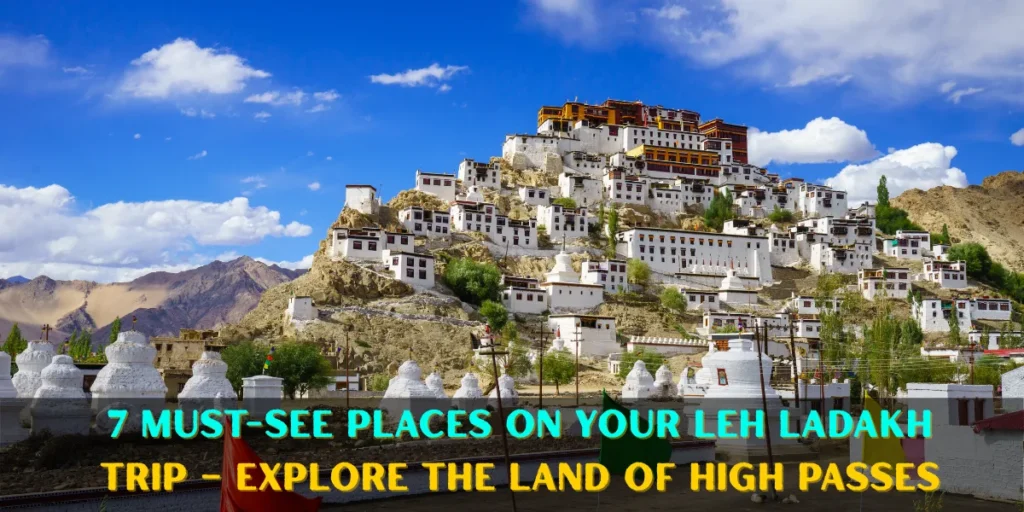
There are places that you visit, and there are places that stay with you. Leh Ladakh belongs to the second kind. Here the mountains speak in silence, the air smells of prayer flags, and the sky holds colors you may never find anywhere else. The journey feels less like travel and more like being part of something eternal. So if you are planning your first trip, here are the 7 Must-See Places on Your Leh Ladakh Trip — written not as a list, but as a feeling that unfolds one destination at a time. 1. Pangong Lake Tour – Where the Sky Meets the Water At first sight, Pangong feels unreal. The blue of the lake changes every hour with the light, the wind moves gently over the surface, and the mountains stand quietly as if they are guarding something sacred. On your Pangong Lake tour, you may find yourself just sitting by the water, watching reflections that shift with time. It is here that silence becomes beautiful. And when the sun sets, the cold grows sharper, but the heart grows calm. This is not a place you see; it is a place you feel. 2. Nubra Valley Attractions – Between Sand and Snow From Leh, the road winds through Khardung La, one of the highest motorable passes in the world, and takes you into the wide arms of Nubra. The valley is a dream—sand dunes on one side, snow peaks on the other. Among the most peaceful Nubra Valley attractions is Diskit Monastery, where a tall statue of Maitreya Buddha looks across the valley with a smile that feels both ancient and kind. Ride a double-humped camel in Hunder, watch the evening light fade on the mountains, and you will understand that Ladakh is made of quiet wonders. 3. Magnetic Hill Ladakh – Where the Road Defies the Eye There is a road outside Leh that seems to pull your vehicle uphill even when the engine is off. People call it Magnetic Hill Ladakh, but it feels more like a trick played by the land itself. Stand there for a while, watch the horizon bend strangely, and you’ll realize that Ladakh doesn’t need big explanations—it just asks you to see. The mountains, the wind, and the quiet around Magnetic Hill make it one of those small places that remain larger in memory than on map. 4. Shanti Stupa Leh – A Circle of Peace Above the City High above the town, where the air feels thinner and the view seems endless, stands the Shanti Stupa Leh. White, round and silent, it watches over Leh like a guardian of peace. You climb some stairs and the entire valley opens up below – houses, monastery rooftops, the Indus flowing in the distance. When the prayer wheels spin and the breeze touches your face, you understand why this place was created. It is not just a monument; It is a moment of peace that stays with you long after you are gone. 5. Tso Moriri Lake – The Hidden Jewel of Changthang Farther from the usual path, deeper into the Changthang region, lies Tso Moriri Lake. The journey to reach it is long, the road rough, but when you finally arrive, you realize why some places hide themselves. The lake lies surrounded by hills that change color with the hour—blue in morning, silver in noon, and gold by evening. There are no crowds here, only silence and wind. Watching the sunset here feels like time has stopped for a while. For many travellers, Tso Moriri becomes the quietest memory of their Leh Ladakh trip places. 6. Monasteries of Leh – A Sightseeing Guide Through Time If you wish to see Ladakh as it breathes, visit its monasteries. From Hemis to Thiksey, from Alchi to Shey, every monastery carries centuries of prayer within its walls. The Leh sightseeing guide would never be complete without them. Monks move slowly through corridors filled with butter lamps and murals that glow in dim light. The sound of drums, the deep chants, and the turning of prayer wheels create a rhythm that you begin to carry inside yourself. To see Ladakh is to sit quietly inside a monastery and listen—to the silence, and to your own breath. 7. Leh Market and Local Life – The Heart of the Journey When the day ends and the roads grow quiet, Leh town lights up softly. The market fills with people—locals selling woollen caps and turquoise stones, travellers walking slowly with cups of butter tea in hand. It is here that you feel the pulse of Ladakh. Between the stalls and prayer flags, life moves gently. This is where your Leh Ladakh itinerary finds its balance—not only in sights but in small moments of connection. You realize that the journey is not just about where you go, but what stays with you after. Why These Seven Places Matter Because together, they tell the story of Ladakh – the lakes that reflect the sky, the valleys that whisper with the wind, the monasteries that stand still in time, and the people who live quietly among the mountains. Each of the 7 must-see places on your Leh Ladakh trip adds its own flavor to the trip. Pangong brings peace, Nubra brings paradox, Shanti Stupa brings peace, and Tso Moriri brings solitude. And amidst them all, you find something that words can never fully capture – a sense of belonging in a place that seems far away from everything but close in spirit. A Journey That Stays Within For travellers who wish to walk through silence, beauty, and faith, Kashmir Tour Package offers this path across Ladakh with care and warmth. It is not about rushing through places, but about letting them come closer, one by one. Because a journey through Ladakh does not really end—it only becomes part of the stories you tell for years to come. Faqs For 7 Must-See Places on Your Leh Ladakh Trip What are the most

Kashmir Famous Food
Uncategorized

Kashmir Famous Food – The Taste that Belongs to the Valley

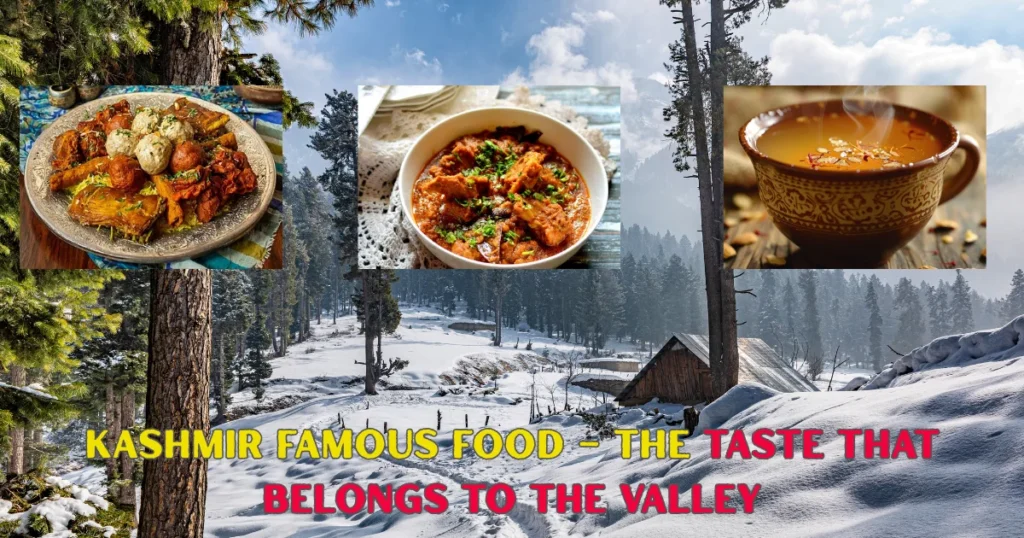
Kashmir is not remembered only for its mountains and snow. It is remembered for the smell of saffron that drifts through the air and for the taste that lives in its kitchens. The Kashmir Famous Food carries the warmth of people who cook slowly, with quiet hands and patient hearts. Food here is not made for hurry; it is made for love, for family, for the small happiness of a shared meal. Every dish feels like a story, and every flavour feels like a memory returning home. Best Food in Kashmir – Slow, Soft, and Full of Peace The best food in Kashmir does not speak loudly. It whispers through the smell of rice, through the soft sound of ghee melting on the pan. In every home, the stove burns slow, and the air fills with the comfort of haak, rajma, and curd. Meals begin with kindness and end with silence. The people of Kashmir believe that food should calm you, not surprise you, and that is why even a simple plate tastes like warmth. Traditional Kashmiri Dishes – Where Time Still Waits The traditional Kashmiri dishes are old songs still sung in the kitchen. Yakhni, pale and light, made with curd and meat; Dum Aloo, red and rich, cooked till the potato softens and listens; Nadru Yakhni, lotus stem from the water made gentle in milk and spice. Nothing is made in haste, because taste here needs time. The kitchen smells of saffron and smoke, and every dish is touched with care, the way one touches prayer beads. Wazwan Cuisine – The Pride of Every Table There is no feast in Kashmir without the word Wazwan. It is not a meal; it is pride, and respect, and belonging. The trami, a large copper plate, comes filled with rice and dishes that speak of old hands and long memories. Rogan Josh, Gustaba, Rista — all cooked by wazas who learnt their art through patience. Wazwan cuisine is not eaten alone; it is shared from one plate, eaten slowly, with laughter, and gratitude for the abundance placed before you. Rogan Josh Kashmir – The Colour of the Valley Rogan Josh Kashmir is the dish that holds the heart of the land. Red like the evening sun, soft like the voice of prayer. The meat is tender, the gravy deep and glowing, the spice gentle but sure. The Kashmiri chilies give it colour, not fire. One bite, and the cold disappears, and you understand why this dish has lived for centuries. It is food that warms the hands and the heart together. Kashmiri Street Food – Small Joys that Stay In the lanes of Srinagar and near the bridges of Jhelum, the smell of frying oil and tea fills the morning air. The Kashmiri street food belongs to everyone. Masala tchot, stuffed with chickpeas and chutney, eaten warm in the cold breeze. Samosas, pakoras, and kulchas are shared with friends or strangers alike. Food sold on the street here carries no difference of class — it is food made for people, by people, with the same heart as home. Kashmiri Kahwa Tea – Warmth that Feels Like Peace When the day turns cold, the first thing that appears is a kettle of Kashmiri Kahwa tea. It is golden in colour and light in taste, brewed with saffron, cardamom, and almonds. It smells calm and tastes like silence. Locals drink it in the morning before work, in the evening after prayer, or simply while sitting near the window watching snow fall on the rooftops. In every sip, you taste the peace of the valley. Famous Sweets of Kashmir – The Quiet End to a Meal The famous sweets of Kashmir are gentle and graceful. Shufta, cooked with dry fruits, honey, and a thread of saffron, shines softly on the plate. Phirni, thick and white, rests in a clay bowl and smells of cardamom. Modur Pulao, rice sweetened with milk and dry fruits, glows like sunlight in a brass dish. Nothing here is overly sweet — the taste ends the way every prayer ends — quietly, with peace. Local Food of Srinagar – Everyday Warmth The local food of Srinagar is not hidden in big restaurants. It lives in the small homes near Dal Lake, in the houseboats where families cook with laughter, in the markets where food is shared with strangers. A plate of rice with haak and curd is enough. It fills the stomach and softens the heart. Every meal feels like a welcome. The people of Kashmir cook with silence and serve with a smile — and that is why even simple food tastes like kindness. The Taste that Never Leaves – By Kashmir Tour Package The food of Kashmir is the valley itself — calm, deep, and unforgettable. From Rogan Josh to Kahwa, from Wazwan to Shufta, every dish holds the warmth of the people who make it. The Kashmir Famous Food is not about spice or show. It is about peace, patience, and hands that cook with care. And for those who wish to taste this truth, Kashmir Tour Package brings a journey not of distance but of feeling — a journey where flavour becomes memory and memory becomes love. Because in Kashmir, food is not only eaten, it is remembered — quietly, like a prayer that never ends. Faqs For Kashmir Famous Food What is the most famous food of Kashmir? The most famous food of Kashmir is Rogan Josh. It is a slow-cooked meat dish, red in colour and rich in aroma. It carries the calm of the valley and the warmth of Kashmiri spices. What is special about Wazwan cuisine? Wazwan is not just a meal; it is tradition. Prepared by master chefs called wazas, it is served during weddings and festivals. Every dish in Wazwan is cooked with patience and pride, and shared from a single large plate. Which is the best street food in Kashmir? The best Kashmiri street food is masala tchot

Scroll to Top

GET FREE ITINERARY