Uncategorized

Srinagar to Kupwara Distance
Uncategorized

Srinagar to Kupwara Distance, Travel Time & Transport Options

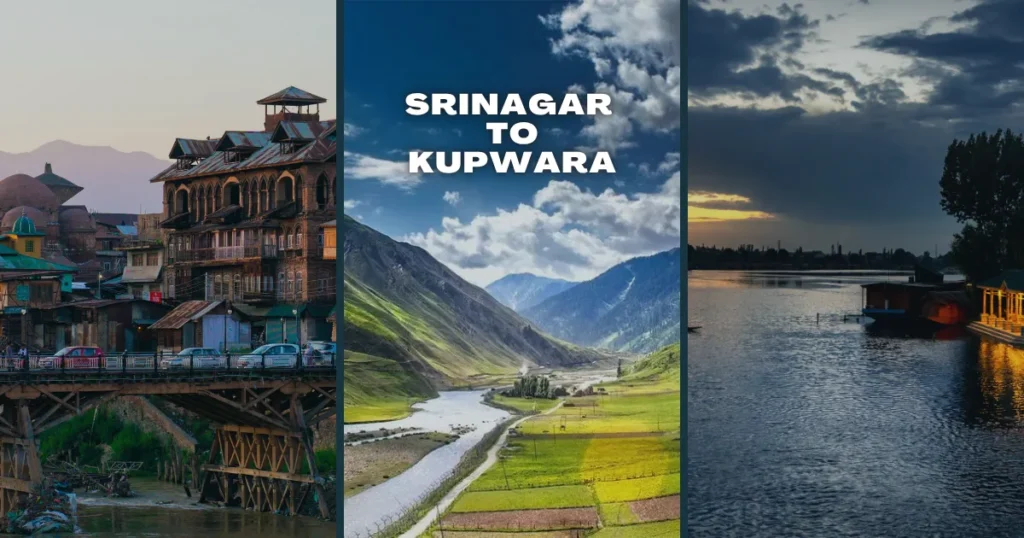
Kupwara is a beautiful town in North Kashmir, surrounded by meadows, apple orchards, and clear streams. If you are planning a trip, knowing the Srinagar to Kupwara Distance, travel time, and best way to reach is very important. The distance is 84.1 km, and it takes around 2 hours and 29 minutes to travel via NH 1 and Sopore–Kupwara Road. This guide will help you with the latest updates for 2025, routes, stay options, and tips to make your journey simple and enjoyable. What is the Srinagar to Kupwara Distance and how much time does it take? The Srinagar to Kupwara Distance is 84.1 km, and it takes around 2 hours and 29 minutes to cover the journey. The route goes through NH 1 and continues via Sopore–Kupwara Road. Start early from Srinagar (around 7:30–8:30 am) to avoid morning traffic. Plan 30–40 minutes extra for tea breaks or photography stops. During apple harvest season (Aug–Sep), traffic can be slower in villages. In winter, roads can be slippery, so travel during the daytime for safety. If you are planning to visit Lolab Valley or Bangus Valley, add 1–2 more hours after reaching Kupwara. Which is the best route and how are the roads? Main route: Srinagar → NH 1 → Baramulla → Sopore → Sopore–Kupwara Road → Kupwara. Roads are generally in good condition, but small patches may have repairs after rain or snow. Sopore town can have slow-moving traffic because of the busy market. In monsoon, be careful of water-filled potholes. In winter, drive slowly on bridges and turns, as these areas can be icy. Fuel up in Srinagar before leaving; rural petrol stations may close early. Local Tip: Google Maps is fine, but ask locals in Sopore for the quickest way for the last 20 km to Kupwara. What are the transport options for this trip? Private car/self-drive: Best if you want to stop at scenic places and enjoy flexibility. Taxi: Comfortable and easy, especially for families. Drivers also know the route well. Shared cabs (Sumo/Tempo): Budget-friendly and frequent, but less comfortable. Bus (JKSRTC): Cheapest but slowest as it makes many stops. Bike: Good for adventure lovers in spring or autumn. Avoid during snow. Travel Advice: Book taxis at least a day before if traveling on weekends or holidays. What is the best time to travel to Kupwara? Spring (March–April): Flowers bloom and weather is pleasant. Summer (May–August): Green valleys and apple trees. Carry water and caps for mid-day heat. Autumn (September–October): Beautiful golden leaves and clear skies. Winter (November–February): Snow-covered views, but roads can be slower. Start after sunrise. Best time of day: Leave Srinagar early morning. It gives you more time in Kupwara and makes the return journey easy. What are the safety tips and updates for 2025? Carry a government ID for checkpoints and hotels. Check weather updates, especially in winter and monsoon. Start with a full fuel tank; fuel stations are limited on the highway. Drive slowly through villages and always use seatbelts. Keep the valley clean. Do not throw waste on the road. Carry basic medicines, a power bank, and warm clothes if visiting in winter. Update: Highway repairs between Sopore and Kupwara are complete, making travel smoother in 2025. What can you see on the way to Kupwara? Wular Lake: A short detour near Sopore gives you amazing lake views. Village markets: Buy fresh breads, apples, and willow baskets from small stalls. Lolab Valley: Around 15 km from Kupwara, known for its meadows and wooden bridges. Bangus Valley: Requires more time but is perfect for nature lovers. Photo Tip: Ask locals before taking pictures of people or private orchards. Where can you stay in Srinagar and Kupwara? In Srinagar: Dal Lake houseboats for the classic Kashmiri stay. Hotels in Lal Chowk or Rajbagh for easy access to NH 1. Nishat and Shalimar areas if you prefer quieter surroundings. In Kupwara: Simple hotels in Kupwara town. Homestays or lodges in Lalpora and Handwara for a local feel and closeness to Lolab Valley. Tip: Book in advance during apple harvest season and holidays. How can you plan your itinerary? One-day trip: Leave Srinagar early → tea break in Sopore → explore Kupwara → lunch → return to Srinagar before evening. Weekend trip: Spend a night in Kupwara or Handwara → explore Lolab Valley or Bangus Meadows the next day → return to Srinagar. Best Stops: Wular Lake viewpoints, Sopore markets, local eateries serving Kashmiri noon chai and breads. What is special about Kupwara’s culture and history? Kupwara is an agricultural town with apple orchards and green valleys. Lolab Valley has historic wooden homes and shrines. Try traditional food like nadru (lotus stem curry), kehwa (saffron tea), and fresh breads from roadside bakeries. Village fairs and festivals give you a chance to experience local culture. Why book your trip with Kashmir Tour Package? Drivers who know the Srinagar to Kupwara Distance route well. Customized day or weekend trips as per your schedule. Partner hotels and homestays for comfortable stays. Help with local guides for Lolab Valley, Bangus Meadows, and other attractions. 24/7 on-trip support in case of delays or plan changes. Key Points at a Glance Distance & time: 84.1 km, about 2 hours and 29 minutes via NH 1 and Sopore–Kupwara Road. Best time: Spring and autumn. Best transport: Taxi or private car. Stay options: Srinagar for a night before or after the trip, Kupwara for extended explorations. Update for 2025: Roads are better, making the journey smoother. Final Word:The Srinagar to Kupwara Distance is a short and scenic journey. With the right planning, it can become one of your best travel experiences in Kashmir. We at Kashmir Tour Package are here to make it simple and safe for you. FAQs 1. What is the Srinagar to Kupwara Distance? The distance is **84.1 km**, and it usually takes around 2 hours and 29 minutes to travel via NH 1 and Sopore–Kupwara Road. 2. Is it safe to travel from Srinagar to Kupwara? Yes, the
Shri Mata Vaishno Devi Shrine Board
Uncategorized

Vaishno Devi Pilgrimage – Timing, Entry fee, image

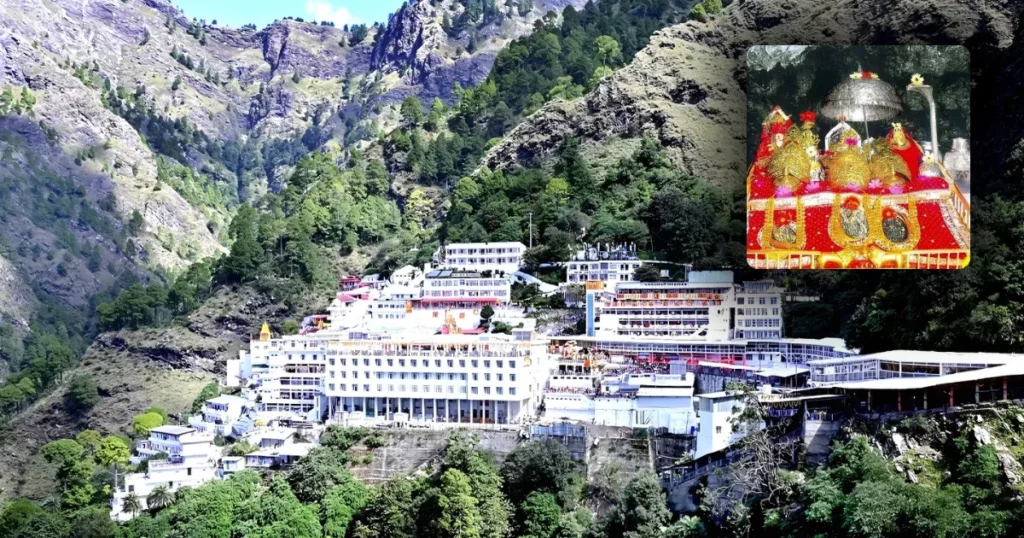
The Vaishno Devi Pilgrimage is one of the most heartfelt and spiritually fulfilling journeys in India. Situated in the beautiful Trikuta Hills of Jammu, this holy site is more than just a temple—it’s a place where faith meets nature, and where prayers echo through the mountains. Each year, countless pilgrims walk the 13-kilometre path not just with their feet, but with their hearts full of devotion and hope. Whether you’re a first-timer or returning after years, visiting Vaishno Devi is not just a ritual—it’s a personal connection with the divine. The Divine Story Behind Vaishno Devi The legend of Mata Vaishno Devi goes back to ancient times. She is believed to be an incarnation of three powerful goddesses—Lakshmi, Saraswati, and Kali—born to restore balance in the world. It is said that Mata Vaishno Devi meditated in a cave in the Trikuta Hills to attain spiritual power. When the demon Bhairavnath tried to disturb her penance, she chose peace over conflict and retreated deeper into the cave. Eventually, she took her divine form and vanquished him, but also granted him salvation. Today, his temple stands near the main shrine, and the pilgrimage is only considered complete after visiting that sacred site. This story continues to inspire devotees who come with deep faith, seeking blessings, healing, and strength in their lives. How to Reach Vaishno Devi – Step by Step from Anywhere in India The journey starts from Katra, a vibrant town located in the Reasi district of Jammu and Kashmir. Here’s how to reach there: Reaching Katra: By Train: Direct trains connect Katra to Delhi, Mumbai, Ahmedabad, and other major cities. By Road: Comfortable buses and taxis are available from Jammu and other North Indian towns. By Air: Nearest airport is in Jammu (Jammu Airport), which is about 50 km away. Taxis are available from the airport to Katra. From Katra to the Shrine: Once you arrive in Katra, your yatra officially begins. The trek from Katra to Bhawan (main temple) is around 13 km. Devotees can choose to walk, or use ponies, palkis (hand-carried chairs), or battery-operated vehicles depending on age and health. The entire route is paved, well-lit, and lined with refreshment stalls, toilets, and first-aid centers. Walking this path while chanting “Jai Mata Di” is often described by pilgrims as a moving spiritual experience. What is the Timings of Vaishno Devi? The temple remains open all year, and the darshan can be done at any time of the day or night. However, early mornings or late evenings are more peaceful. Details Timings / Info Temple Timings Open 24 hours daily Morning Aarti Around 6:00 AM – 8:00 AM Evening Aarti Around 6:00 PM – 8:00 PM Entry Free for all pilgrims Yatra Parchi (Registration Slip) Required, available online and at Katra Yatra Counter Aarti is a very divine experience where the air fills with chants, bells, and lights, giving you goosebumps and a sense of divine presence. what is the Entry Fees of Vaishno Devi? General Entry / Darshan: Free of Cost Every pilgrim can visit the shrine without any entry fee. A Yatra Parchi (Registration Slip) is mandatory, which is also free and can be obtained online or from the Katra registration counter. Helicopter Services of Vaishno Devi (Katra to Sanjichhat) Helicopter services are available for pilgrims who prefer a shorter, more convenient route. Route: Katra ➝ Sanjichhat ➝ Walk 2.5 km to Bhawan Fare (One Way): Depending on season and may vary by season and availability Booking Options: Official Shrine Board website Authorized travel agents Note: Advance booking is strongly recommended, especially during Navratri and peak seasons. VIP Darshan Services of Vaishno Devi The VIP Darshan facility is designed to allow quicker access to the shrine, especially helpful during heavy crowd days. Charges: Depending on season Booking Modes: Online (via Shrine Board or selected travel partners) Some packages include it with helicopter tickets or hotel combos Eligibility: Subject to availability and conditions during festivals or high rush Additional Notes: All pilgrims must carry valid ID proof along with the registration slip (Yatra Parchi). Shrine Board guesthouses and online services are also available to make your journey smoother. Best Time to Visit Vaishno Devi The shrine is open throughout the year, but the experience varies with the seasons: Season What to Expect March to June Ideal weather, moderate temperatures September to November Crisp air, festive vibes, Navratri celebrations December to February Snowfall in the hills, cold temperatures (carry woolens) July to August Rainy season, slippery trek, fewer crowds If you’re traveling with elderly people or kids, the post-winter and pre-monsoon months (March–June) are most comfortable. Must-Visit Spots Along the Yatra Route Every stop along the way has a special meaning: Banganga: The sacred river where Mata quenched her thirst. Charan Paduka: A place where the divine footprints of the goddess are imprinted on a rock. Ardh Kuwari Cave: Believed to be where Mata Vaishno Devi meditated for 9 months. Sanjichhat: A resting point offering panoramic views of the valley. Bhawan: The main shrine housing the three sacred pindis of the goddess. Bhairavnath Temple: Visiting here marks the completion of the pilgrimage. These stops give the journey a layered spiritual experience, where every step tells a story. Accommodation Options During the Pilgrimage You can find comfortable places to stay at Katra, Ardh Kuwari, and Bhawan. Shrine Board Accommodations: Safe and clean guesthouses like Yatri Niwas and Shakti Bhawan Can be booked online in advance via the official Shrine Board website Private Hotels in Katra: From simple lodges to modern 3-star hotels Most hotels provide vegetarian meals, yatra assistance, and check-in flexibility for night arrivals For large families or groups, booking a pre-arranged package can ease travel and accommodation management. Travel Tips and Safety Guidelines for 2025 Pilgrims If you’re planning your Vaishno Devi Pilgrimage in 2025, here are some helpful tips: Wear sturdy footwear: The trek involves long walking hours, sometimes on inclines. Carry ID and the yatra slip: Both are mandatory at check points. Keep warm clothing:

Leh Bike Tour
Uncategorized

Leh Bike Tour Cost, Route & Safety Tips – Plan Like a Pro

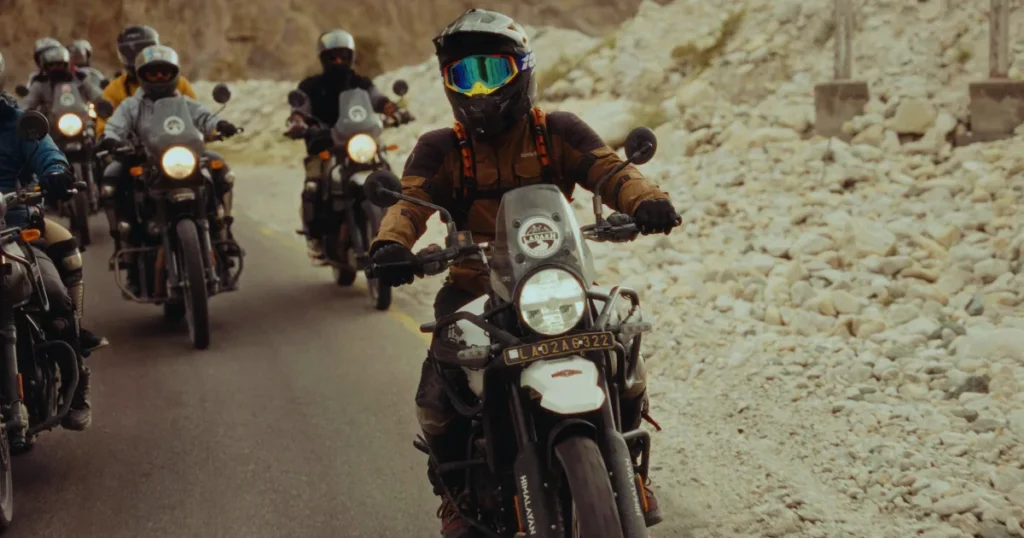
A Leh Bike Tour is not just a trip—it’s a dream for every adventure lover. Riding through the high passes, valleys, and cold deserts of Ladakh gives you unforgettable memories. But such a journey needs proper planning. That’s where this guide helps. With years of travel experience and updated 2025 details, Kashmir Tour Package brings you this easy-to-follow blog to make your Leh trip smooth, safe, and budget-friendly. What Is the Total Cost of a Leh Bike Tour in 2025? If you’re planning a Leh Bike Tour, knowing your budget is important. Here is a simple breakdown: Bike Rent (8–12 days): ₹12,000–₹50,000 (Royal Enfield, Himalayan, etc.) Fuel: ₹5,000–₹10,000 for the full trip Stay (Guesthouses/Camps): ₹1,000–₹3,000 per day Food: ₹400–₹700 per day Permits (Inner Line): ₹500–₹1,000 Emergency Money: ₹5,000 for extra needs Total Estimate: ₹40,000 to ₹85,000 per person depending on how you travel (solo or group tour) Pro Tip: Packages from trusted agencies like Kashmir Tour Package start from ₹50,000 and include bike, hotel, permits, and support. Which Route Should You Choose for Leh Bike Tour? Choosing the right route makes your Leh Bike Tour more exciting and safe. There are two main routes: 1. Manali to Leh (Approx. 475 km) Starts from Manali and passes through Atal Tunnel, Keylong, Jispa, Sarchu, Pang, and then Leh Takes 2 days with night stay at Jispa or Sarchu Roads open from June to mid-October Best for thrill and scenic landscapes 2. Srinagar to Leh (Approx. 434 km) Starts from Srinagar, passes through Sonmarg, Zoji La, Drass, Kargil, Lamayuru, and then Leh Takes 2 days with night stay at Kargil Roads open from May to November Easier climb, better for beginners Best Route Suggestion: Go via Srinagar and return via Manali for the full experience. How to Stay Safe During the Leh Bike Tour? Safety should always come first on a Leh Bike Tour. Here are the things to keep in mind: Rest in Leh for 1–2 days before heading to high places Drink water often to avoid altitude sickness Do not drink alcohol at high altitude Wear riding gear like helmet, gloves, jacket, and boots Carry spare fuel, extra bike parts, and a repair kit Ride slowly in hilly areas and slushy roads Travel with a friend or in a group for help in emergencies Keep emergency contact numbers and ID proof with you We always provide a short training and checklist before your ride for your safety. What’s New in Leh Bike Tour for 2025? Some exciting changes and improvements have happened recently: Atal Tunnel now keeps the Manali-Leh route open longer Shinku La Tunnel (expected to open late 2025) will offer better road access Online Permits for Pangong, Nubra, and Tso Moriri are now easier to get Mobile networks like Jio and BSNL now work in more areas like Diskit and Pangong Better road quality due to BRO efforts across high passes More medical posts and rescue teams available for travelers Note: Always check road updates with BRO or Kashmir Tour Package before starting. Where Can You Stay During Leh Bike Tour? Here are some of the best stay options for your Leh Bike Tour: Leh Town: Budget hotels and homestays like Tukchu Guest House or Hotel Shaolin Jispa & Sarchu: Camps and hotels like Jispa Journey or Sarchu Gold Drops Pangong Lake: Eco-camps with lake views—Redstart Camp, Pangong Retreat Nubra Valley: Stay at Diskit or Hunder in guesthouses or camps Tso Moriri: Small camps or homestays (book in advance due to low availability) We help our riders book clean, safe, and comfortable places in advance to avoid last-minute problems. Which Places Should You Not Miss During the Leh Bike Tour? Your Leh Bike Tour is not complete without seeing these amazing places: Khardung La Pass: One of the world’s highest motorable roads Pangong Lake: Beautiful blue lake where 3 Idiots was filmed Tso Moriri Lake: Peaceful and less crowded lake Nubra Valley: Sand dunes, camel rides, and Diskit Monastery Magnetic Hill: A strange road where vehicles roll uphill Leh Market & Palace: Perfect for shopping and history Lamayuru Monastery: One of the oldest in Ladakh These stops make your journey more beautiful and give you stories to remember. How to Plan Like a Pro with Kashmir Tour Package? Here’s how we make your Leh Bike Tour smooth and stress-free: We help you choose the right route and season We arrange your bike with full safety check We book your hotels and eco-camps in advance We get your permits ready online We provide a guide or support vehicle if you need We offer 24×7 help for emergencies or sudden plan changes We brief you before the trip on safety, route, and health tips With us, your ride is fully planned—you just enjoy the journey. Conclusion: Ride Smart, Stay Safe, and Enjoy the Adventure The Leh Bike Tour is one of the most thrilling road trips in India. It gives you a mix of adventure, beauty, and spiritual peace. But high-altitude rides need good planning. When you ride with Kashmir Tour Package, you’re not alone—we guide, support, and take care of every detail. In 2025, with better roads, new tunnels, and expert help, this is the perfect time to go. Pack your bags, tie your shoelaces, and let the Himalayas welcome you. FAQs (Frequently Asked Questions) 1. What is the best time for a Leh Bike Tour? May to September is the best time. Roads are open, and weather is pleasant. 2. Do I need a permit for Leh Bike Tour? Yes. You need an Inner Line Permit (ILP) for places like Nubra Valley, Pangong Lake, and Tso Moriri. 3. Can beginners go on a Leh Bike Tour? Yes, but it is better to go with a guided group or with an experienced rider. 4. Is it safe to ride solo on this tour? It is possible, but not advised. It’s better to travel with a group or support team. 5. What bike is best for this trip? Royal Enfield

Shikara Ride in Dal Lake
Uncategorized

Best Time to Take a Shikara Ride in Dal Lake

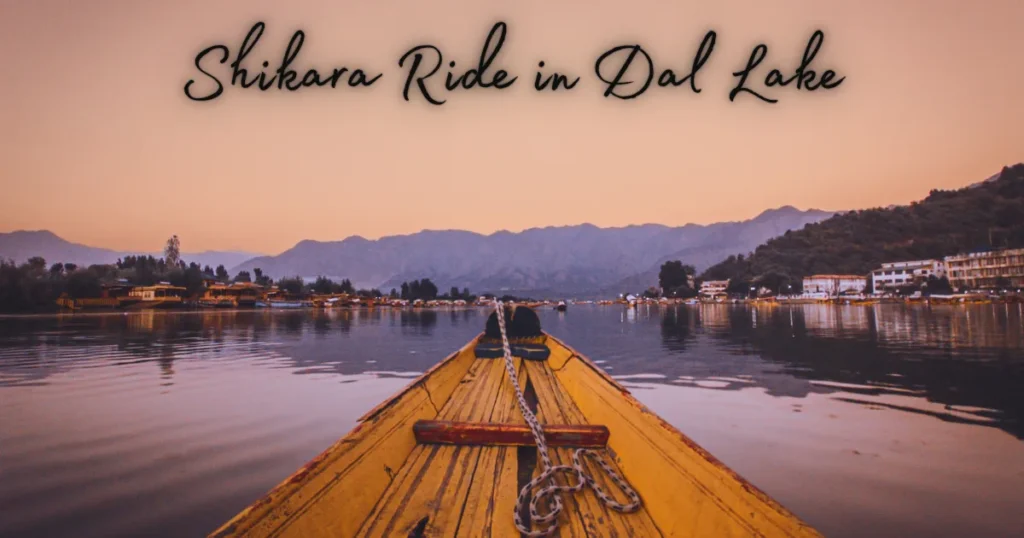
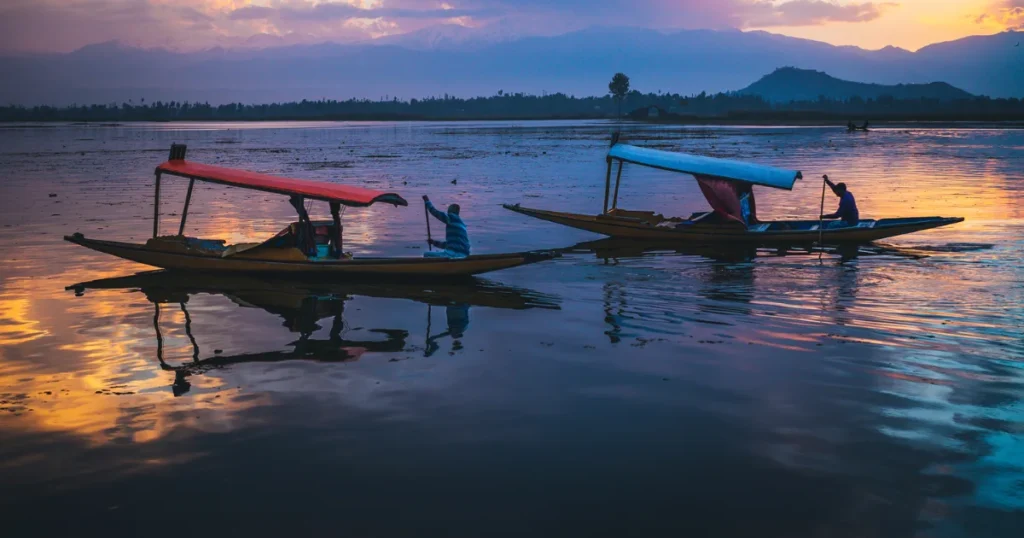
If you are planning a trip to Srinagar, you must experience the peaceful and beautiful Shikara Ride in Dal Lake. This ride is one of the most loved things to do in Kashmir. It is not just a boat ride—it feels like a journey into a dream. In this guide, we will share the best time, cost, rules, and other helpful tips for 2025, so you can enjoy this magical ride with ease and joy. Which Is the Best Season for a Shikara Ride in Dal Lake? The best months are May to September. During these months, the weather is pleasant and the lake looks beautiful. From June to August, you can see flowers blooming and the lake feels alive. September is quieter, with fewer tourists and cooler evenings. It is better to avoid winter (December to February) because the lake may freeze and rides stop during that time. In 2025, the government advises avoiding late July due to rain, but May and early June are perfect. Morning rides during spring or summer are calm and fresh. You will hear birds, see floating flowers, and feel peaceful. What Is the Best Time of Day to Take the Ride? Early morning (6 AM to 8 AM) is the most peaceful time. You can see the mist on the water and enjoy a quiet ride. Evening (4 PM to 6:30 PM) is perfect for sunset views and golden light. Midday is hotter and more crowded. In 2025, all rides are allowed only between 6 AM and 7 PM. Morning rides are more calm, while evening rides are colorful and romantic. Which Routes Are the Most Beautiful for the Ride? Char Chinar Route – You will see four old Chinar trees on small islands. Floating Market Route – Ride through boats selling flowers, fruits, and vegetables. Mughal Garden View – From the lake, you can see gardens like Nishat and Shalimar. Nigeen Lake Route – A quiet route with fewer people and still water. In 2025, only registered boats with QR codes can take you to these places. You can ask the boatman to stop at spots you like for photos. Are There Any New Rules for Shikara Ride in 2025? Life jackets are now a must for all tourists. Only 6 people are allowed in one boat. Plastic bags are banned to keep the lake clean. All boats are now digitally registered for safety. Each one has a QR code. Book your ride from trusted places like hotel counters or official ghat numbers (Gate 12–18). These new rules make the ride safe, clean, and better for nature. How Much Does the Ride Cost in 2025? Regular price is ₹600 per hour for a group (not per person). Early morning rides may cost ₹700 due to high demand. A longer ride for two hours may cost around ₹1100. If you want a guide or special experience, it may cost ₹1500 or more. Prices are fixed by the tourism board, so don’t worry about overcharging. It is best to confirm the price before the ride starts. Where Should You Stay for Easy Access to Dal Lake? Houseboats on the lake are the best option—they are beautiful and close to the ride starting points. Hotels near the lake like The Lalit, Vivanta, and Dar-Es-Salam offer lake views and shikara access. Many homestays in the Sonwar and Nigeen areas also offer easy pick-up. In 2025, hotels within 300 meters of the lake must help guests book safe shikara rides. Always ask your hotel for a shikara ride in advance—they will connect you with a trusted boatman. What Makes the Shikara Ride in Dal Lake So Special? You float through lotus and lily gardens, which bloom in early summer. Vendors in boats sell local things like fruits, saffron, and handmade goods. The Char Chinar island is a beautiful and peaceful stop. You pass under wooden bridges and near garden views. In 2025, the tourism board has introduced live Kashmiri music on some rides—ask your hotel if it’s available. The ride is quiet, calming, and full of nature and culture. It’s a perfect break from busy life. Conclusion A Shikara Ride in Dal Lake is not just about sightseeing. It is about feeling peace, beauty, and Kashmir’s rich culture. The best time is between May and September, with mornings and evenings being the most beautiful hours. The ride is safe, affordable, and full of charm. Whether you’re with family or alone, it will be one of your best memories from Kashmir. At Kashmir Tour Package, we help you book trusted rides, local stays, and full tours with comfort and care. Let us make your Shikara experience smooth and unforgettable. FAQs (Click to Expand) 1. What is the best month for a Shikara Ride in Dal Lake? May to September is the best time. June to August is most popular. 2. What time of day is best for the ride? Early morning (6 AM–8 AM) and evening (4 PM–6:30 PM) are the best times. 3. How long does a typical ride take? Most rides last about 1 hour. You can also book longer rides if you wish. 4. What is the cost of a Shikara Ride in 2025? ₹600 per hour for up to 6 people. Special rides or early morning rides may cost more. 5. Are life jackets available on the ride? Yes, life jackets are now mandatory and provided by all boatmen. 6. Can I book the ride in advance? Yes, you can book through your hotel or through us at Kashmir Tour Package. 7. Are the rides safe for children and elders? Yes, rides are safe and boats are stable. All safety measures are followed. 8. What should I carry during the ride? Carry water, a cap, sunscreen, and your camera. Avoid plastic. 9. Can I choose the route of the ride? Yes, you can request your preferred route from the boatman before starting. 10. Is the floating market open every day? It’s open early

Anantnag Tourist Places
Uncategorized

Anantnag Tourist Places for Nature Lovers and History Buffs

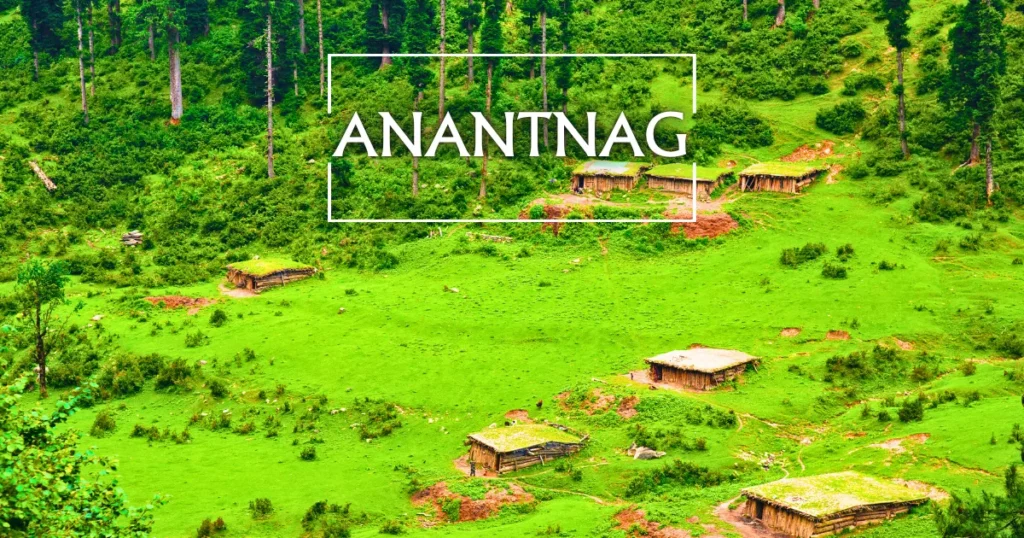
Imagine walking through ancient temples surrounded by mountain silence, or sitting near a spring where the water is so pure you can see the pebbles shine. That’s what Anantnag feels like. This peaceful corner of Kashmir is often skipped by tourists—but those who visit carry its memories forever. Anantnag Tourist Places are perfect for travelers who love both nature and stories from the past. In 2025, thanks to improved roads, cleaner parks, and new eco-friendly stays, exploring Anantnag has become even easier. Whether you’re here for adventure, peace, or a touch of history—you’ll find it all in Anantnag. Which Historical Places in Anantnag Tell Timeless Stories? Some places don’t just show you history—they help you feel it. Anantnag is full of such treasures. Martand Sun Temple: This 8th-century temple, now under ASI protection, stands proud with mountain views all around. In 2025, only guided entry is allowed (10 AM to 4 PM), making your visit more personal and insightful. Aishmuqam Shrine: Located on a hill, this shrine is filled with music, faith, and local legends. Mamal Temple in Pahalgam: One of Kashmir’s oldest Shiva temples, where ancient stones meet the flowing Lidder River. John Bishop Church: A peaceful colonial church built in 1902, with quiet charm and history in its walls. Each of these places brings you closer to the heart of Kashmir’s past. Which Natural Places in Anantnag Feel Like Heaven on Earth? For those who love silence, green trees, and open skies—Anantnag Tourist Places are a dream come true. Verinag Spring: This is where the Jhelum River begins. The Mughal garden around it is a perfect picnic spot, now more beautiful with new walkways. Achabal Garden: A garden built by Mughal queen Nur Jahan, now blooming again with care and color. Kokernag: A mix of flower gardens, freshwater springs, and a trout fish farm. It feels like time slows down here. Overa-Aru Wildlife Sanctuary: A great place to see birds, deer, and even leopards in their natural home. Tarsar and Tulian Lakes: Hidden high in the mountains, these lakes are only reachable by trekking, open from June to mid-September. If you’re tired of city noise, these places will help you breathe again. What’s New in 2025 for Travelers Visiting Anantnag? 2025 is bringing great changes that make travel smoother and more enjoyable. Martand Temple: Entry now allowed only with guides. Timings are 10 AM to 4 PM. Verinag & Achabal Gardens: Open daily 8 AM to 6:30 PM. Gardens are cleaner with better lighting. Lake Treks: Trekking to lakes like Tarsar and Tulian now needs special permits. We can help arrange them. Wildlife Rules: Only small groups allowed inside to protect nature. Eco Transport: Electric buses from Srinagar to Anantnag run daily (₹350 only). New Homestays: 40+ homestays added in Aru and Kokernag villages—simple, clean, and full of local warmth. These updates make it easier and safer to enjoy Anantnag Tourist Places. What Are the Best Travel Routes to Explore Anantnag Comfortably? Whether you’re on a short visit or a full journey, we’ve mapped out the best ways to experience Anantnag. 1-Day Tour (From Srinagar): Verinag → Achabal → Kokernag → Return by evening 2-Day Trip: Day 1: Martand Temple → Aishmuqam Shrine → Night in Kokernag Day 2: Visit Daksum or go for a short nature walk along the Lidder River 3-Day Trek: Base at Aru → Trek to Tarsar Lake → Optional overnight stay → Visit Overa-Aru Sanctuary Travel Tip: Book your tour with Kashmir Tour Package to save time and avoid permit hassle. What Are the Best Stay Options Near Anantnag Tourist Places? We’ve handpicked the most reliable places to stay for every kind of traveler: Hotel Himalaya, Kokernag: Clean rooms with great views, perfect for families. JKTDC Tourist Bungalows: Run by the government, located in Verinag, Achabal, and Daksum. Homestays in Aru and Mattan: Stay with local families, enjoy homemade food, and feel at home. Forest Rest Houses: For adventure lovers, these are near trekking routes. Must be booked in advance. Booking early is advised, especially in summer and festival months. When Should You Plan Your Trip to Anantnag in 2025? The weather in Anantnag is gentle and welcoming for most of the year. April to July: Best for flowers, garden visits, and river views. June to Mid-September: Best time for trekking and lake visits. August to October: Great for calm walks, photos, and cool breezes. November to March: Off-season with snow, good for those who love winter silence. Pack warm clothes even in summer if you plan to trek in higher areas. Conclusion – What Makes Anantnag So Special in 2025? Anantnag is more than just a travel spot—it’s a feeling. You’ll find peace in its gardens, stories in its stones, and kindness in its people. The new improvements in 2025 have made Anantnag Tourist Places even more welcoming. If you’re ready for a trip where every moment feels meaningful, let Kashmir Tour Package guide your way. We promise a journey filled with comfort, care, and memories you’ll never forget. FAQs – Click to Open 1. How far is Anantnag from Srinagar? Anantnag is about 52 kilometers from Srinagar. It takes around 1.5 hours by car or bus. 2. Do I need permission to trek to Tarsar or Tulian Lake? Yes, in 2025 you need a trekking permit from the local tourism office or through your tour agency. 3. Are there good hotels near Anantnag Tourist Places? Yes. You can choose from hotels, tourist bungalows, homestays, or rest houses depending on your comfort and budget. 4. Is it safe to visit Anantnag in 2025? Yes. With improved roads, eco-routes, and guided services, Anantnag is safe and tourist-friendly. 5. What are the timings for Martand Temple and Achabal Garden? Martand Temple is open from 10 AM to 4 PM (with a guide). Achabal Garden is open from 8 AM to 6:30 PM. 6. Can I travel to all places in one day? It’s possible to visit Verinag, Achabal, and Kokernag in one day.

Kashmir winter tour package
Uncategorized

Affordable Kashmir Winter Tour Package for Couples & Families

Looking for a peaceful and exciting winter holiday with your loved ones? Our Kashmir Winter Tour Package is designed especially for couples and families who want to enjoy the snow, beauty, and comfort of Kashmir without spending too much. We have created this blog using real travel experience, expert planning, trusted updates, and clear advice. Let’s explore how this trip can become your best winter memory. Why is Kashmir the best place to visit in winter for coupleKs and families? Kashmir looks magical during winter with snowfall, quiet lakes, and white mountains. It’s perfect for couples looking for peace and romance. Families enjoy snow games, gondola rides, and local sightseeing together in safe and fun ways. Our Kashmir Winter Tour Package includes everything—from pickup to hotel stays, sightseeing, and activities. We offer packages that suit both honeymooners and families with kids, including safe hotels and child-friendly plans. Houseboat stays on Dal Lake and bonfires in the snow make this tour extra special. Kashmir is known for its warm-hearted people, delicious food, and beautiful views—all part of the experience. Is Kashmir safe to visit in winter 2025? Yes, Kashmir is safe for travel. The government has increased security after the April 2025 incident in Pahalgam. Tourist places like Srinagar, Gulmarg, Sonamarg, and Pahalgam are open and regularly patrolled. Roads are cleared often, and drivers are trained to drive in snow and cold. Our team provides 24/7 support. If you face any problem, we are just a call away. Hotels and houseboats we use are government-approved and safe for families and couples. What are the latest updates in Kashmir tourism for 2025? The Z-Morh Tunnel is now open, making it easier to reach Sonamarg even in heavy snowfall. The new Srinagar-Katra Vande Bharat Express started in June 2025. It connects Vaishno Devi to Srinagar in just 3 hours and is great for winter travel. The government has started many winter events like Gulmarg Snow Festival and Pahalgam Cultural Fair. Local hotels, snow activities, and sightseeing places are fully open with safety rules. You don’t need special permits for most tourist places. What does this Kashmir Winter Tour Package include? Airport or station pickup and drop in Srinagar Stay in warm hotels or houseboats (with heater) Sightseeing in Srinagar, Gulmarg, Pahalgam, and Sonamarg Activities like Gondola ride, snow fun, Shikara ride, and pony ride Daily breakfast and one traditional Kashmiri dinner 24-hour travel help and tour manager support This package is made to keep you happy and stress-free during your entire trip. How much does the Kashmir Winter Tour Package cost? Prices start from just ₹24,999 per person for a 3-night, 4-day package. We have offers for couples that include room decoration and candlelight dinner. Families can get group discounts and extra fun activities for kids. Extra add-ons include skiing lessons, bonfires, photo sessions, and snow gear rentals. Early bookings (before November) come with better prices and more hotel choices. When is the best time to visit Kashmir in winter? The best time to visit is from December to March, when snowfall is at its peak. January is the coldest and best for snow activities. February is good for families with kids, as the weather is a bit softer. Travel is smooth during these months due to cleared roads and updated railway services. Book early to get your choice of hotels and avoid last-minute rush. What do you need to pack for your Kashmir winter trip? Warm jackets, thermal wear, gloves, and snow boots A small bag with personal medicines, power bank, and ID proofs Sunglasses (for snow glare) and sunscreen (for skin protection) Camera or phone for capturing the snow magic Don’t worry if you forget something—we’ll help you shop locally in Srinagar. What makes this winter tour package trustworthy? We are a trusted travel agency with years of experience in Kashmir tours. All hotels and drivers are verified by our team. We work closely with local people who know the area well. You get full support from our tour manager throughout the trip. We use real-time weather updates and plan safe travel routes. FAQs (Tap to Expand) 1. What is included in the Kashmir Winter Tour Package? Our package includes hotel or houseboat stay, transport, sightseeing, some meals, snow activities, and full-time tour support. 2. Can families with small children travel safely? Yes, our package is safe for kids. We choose warm and clean hotels, and our drivers are careful. We also include activities that children enjoy. 3. Is snow guaranteed during my trip? Yes, if you travel between late December to early March, you will definitely see snow in Gulmarg, Pahalgam, and Sonamarg. 4. Are there any hidden charges in the package? No, we clearly share the full cost before booking. If you choose any extra activity like skiing, we inform you about the cost before adding it. 5. What kind of hotels will we stay in? We use verified 3-star or 4-star hotels and houseboats. Rooms are warm and comfortable, with clean washrooms and hot water. 6. Do we get a local guide during the tour? Yes, a local guide or manager is with you during sightseeing. They help you understand the place and keep things smooth. 7. Can I customize my tour? Absolutely. You can choose to add more nights, skip places, or include extra activities. We make the plan as per your wish. 8. How do I book the tour? Just call us or WhatsApp on the number below. We’ll confirm your travel dates, share the plan, and book it after your approval. 9. Will I face roadblocks due to snow? Roads are cleared regularly. Still, in case of heavy snowfall, our team adjusts the plan and gives you full support. 10. Is this package available for honeymoon couples? Yes, we have a special version of the Kashmir Winter Tour Package made just for couples, including private stays and romantic activities.

Dal Lake Boating Timings
Uncategorized

Dal Lake Boating Timings 2025 – Everything You Need to Know

Dal Lake in Srinagar is one of the most beautiful places to visit in Kashmir. If you’re planning a trip here in 2025, knowing the right Dal Lake Boating Timings is very important. This guide will help you with the latest timings, best time to go, rules, routes, places to stay, and useful tips – all in one place. What Are the Latest Dal Lake Boating Timings in 2025? As per the latest tourism update: Summer (April to October): 5:00 AM to 7:00 PM Winter (November to March): 6:30 AM to 6:00 PM No boating is allowed after these timings due to safety rules. A new Uber Shikara service is also available from 10:00 AM to 5:00 PM. If you’re visiting during the summer, try to reach early in the morning or late in the evening to enjoy the peaceful ride. The Dal Lake Boating Timings are followed strictly, especially in 2025, as per government safety guidelines. Why Are These Timings Important? What’s the History Behind Them? Boating on Dal Lake has been a tradition since the time of the Mughal emperors. They used to enjoy peaceful morning rides on the lake to feel close to nature. During British rule, houseboats became popular, and boating slowly became a tourist activity. The early morning hours became the best time for flower sellers and vegetable vendors to float their boats on the water. In 2025, the same peaceful experience continues, with better safety and timing rules in place. What Is the Best Time of Day for Boating on Dal Lake? Morning (5:30 AM – 7:30 AM): Best for calm waters, less crowd, and great views. Evening (5:00 PM – 7:00 PM): Good for watching the sunset and enjoying cooler weather. Midday (11:00 AM – 2:00 PM): Perfect for shopping at the floating market and eating snacks from boat sellers. If you love photography or quiet surroundings, the early morning timing is the best. Most visitors say the light at sunrise and sunset makes the lake look magical. What Routes Should You Take for the Best Boating Experience? There are many boating routes inside Dal Lake. Here are a few simple ones: Morning Ride Route: Gagribal Ghat → Lotus Garden → Char Chinar → Back Market Ride Route: Nehru Park → Floating Market → Boutique Houseboats Cultural Ride Route: Nishat Bagh → Shalimar Garden → Hazratbal Shrine All these routes are part of the regular Dal Lake Boating Timings and offer something special depending on the time of day. You can ask your boatman for the route you like. Are There Any New Rules for Boating in Dal Lake in 2025? Yes, the tourism department has made some updates this year: No boating after 7:00 PM to avoid accidents and protect lake life. Life jackets are compulsory for all passengers, including children. GPS devices are now added to many shikaras for safety. Eco-friendly boating is promoted. Tourists are advised not to throw waste in the lake. Floating cafés and shops are now only allowed in certain areas during fixed hours. These rules are there to keep the lake clean and ensure safe travel for everyone. Where Can You Stay Near Dal Lake for Easy Access to Boating? Here are some good options based on your budget: Budget Stays: Hotel Butterfly – Near Dal Gate Houseboat Shabnam – Calm and scenic Mid-Range Stays: Blooming Dale Hotel – Close to the lake Houseboat Zaffer – Offers private shikara rides Luxury Stays: Vivanta Dal View – Stunning views of Dal Lake The Lalit Grand Palace – Royal feel with boating from hotel steps Most hotels near Dal Lake offer early morning boating pickup, which helps if you want to enjoy full Dal Lake Boating Timings. What Tips Should You Know Before Going for a Boat Ride? Carry a light jacket or shawl for the early morning or evening ride. Avoid going without booking during peak season (May to August). Boating price ranges from ₹400 to ₹600 per hour. Agree on the price before the ride. Follow all rules and keep the lake clean. Keep an eye on children at all times. Life jackets are provided on request. Try to avoid weekends if you want a peaceful experience. If you book your tour with us, we will handle everything and match your ride with the correct Dal Lake Boating Timings. Final Thoughts – Make the Most of Dal Lake Boating Timings in 2025 Dal Lake is not just about taking a boat ride—it’s about living a peaceful moment in the lap of nature. With updated 2025 Dal Lake Boating Timings, safety rules, and new services like Uber Shikara, the experience is better than ever. From morning silence to evening reflections, every timing has its charm. Let us help you plan a perfect trip with the best boats, best timings, and full local support. Kashmir is calling, and Dal Lake is waiting. FAQs (Frequently Asked Questions) 1. What are the Dal Lake Boating Timings in 2025? Dal Lake boating is allowed from 5:00 AM to 7:00 PM in summer, and 6:30 AM to 6:00 PM in winter. 2. Are life jackets necessary during the ride? Yes, life jackets are now compulsory for all passengers, including children, as per 2025 safety rules. 3. Can I take a boat ride at night? No, boating is not allowed after 7:00 PM. This is done for your safety and to protect the lake. 4. What is the best time for boating? Early morning (5:30 AM to 7:30 AM) and evening (5:00 PM to 7:00 PM) are the best times. 5. How much does a boat ride cost? It usually costs between ₹400 to ₹600 per hour. Prices may vary depending on route and time. 6. Can I pre-book my shikara ride? Yes, we offer pre-booking services as part of our Kashmir Tour Packages. It saves time and ensures good timing slots. 7. Are boat rides safe for children? Yes, boat rides are safe. Make sure children wear life jackets and are

How to reach Jammu and Kashmir
Uncategorized

How to Reach Jammu and Kashmir from Delhi: Road, Rail & Flights

If you’re wondering how to reach Jammu and Kashmir, you’re not alone. Thousands of travelers from Delhi, Agra, and beyond ask this every year—and in 2025, your options are more comfortable, safer, and scenic than ever before. From the fresh snowfall in Gulmarg to the soul-soothing shikara rides in Dal Lake, Kashmir offers magic in every direction. Whether you’re a solo traveler, a family planning a summer break, or a couple seeking peace, this guide gives you real, updated routes and insights—so your journey is as beautiful as the destination. Is Flying the Smartest Way to Reach Jammu and Kashmir from Delhi? Absolutely—and here’s why it works for most travelers: Direct flights from Delhi to Srinagar or Jammu run every day. Flight time: Around 1.5 to 2 hours—no layovers, no hassle. In 2025, Srinagar Airport operates from 6 AM to 10 PM, with smoother immigration and more counters. Taxi services at the airport are well-organized. Many hotels now offer direct pickup too. Coming from Agra? It’s easy to reach Delhi by road or train, then catch a direct flight to Kashmir. Why do families and first-time visitors choose this route? It saves time and energy—and when you’re excited to see snow-covered peaks or tulip gardens, every hour counts. So if you’re asking how to reach Jammu and Kashmir without stress—this is your answer. What’s New About Train Travel to Jammu and Kashmir in 2025? This year brings historic changes for train lovers. A new direct train route from Delhi to Srinagar is finally open. The line passes through Jammu and Katra, crossing the stunning Chenab Rail Bridge—now the tallest in the world. The Mini Vande Bharat Express makes the final stretch from Katra to Srinagar in just 3 hours. From Delhi to Jammu: 9–10 hours overnight. From Jammu to Srinagar: 3 hours of scenic mountain magic. This route has changed how people think about how to reach Jammu and Kashmir by train. It’s now comfortable, panoramic, and easy to plan. If you’re someone who enjoys watching valleys, rivers, and tunnels from your window seat—this is a journey to remember. Is Driving from Delhi to Jammu and Kashmir Still Worth It? Yes—especially for travelers who love road trips, food stops, and unexpected discoveries. Route: Delhi → Ludhiana → Pathankot → Jammu → Srinagar. Total distance: Around 850–900 km. Driving time: 14–16 hours (with breaks and night halts). Roads till Jammu are wide and safe. From Jammu to Srinagar, the hills begin—but so do the views. Perfect stopover options: Amritsar for Golden Temple or Agra to visit the Taj Mahal before heading north. In 2025, new expressways (like the Delhi–Katra Expressway) are nearing completion. That means shorter travel time, better pitstops, and smoother rides. If you’re the kind of traveler who asks how to reach Jammu and Kashmir while soaking in every moment, the road will reward you with stories you’ll never forget. What’s the Best Way for Families or Groups – Flights, Trains, or a Mix? Here’s where things get exciting. Many travelers are now combining routes for comfort, cost, and views: Fly from Delhi to Jammu, then take the train to Srinagar, followed by a cab to Pahalgam or Gulmarg. This cuts long road fatigue while still offering the beauty of mountain landscapes. If you’re coming from Agra, we recommend: Day 1: Agra sightseeing → Delhi Day 2: Fly/train to Jammu → Srinagar Day 3: Start your Kashmir tour This blended route is especially helpful for elderly parents, kids, or first-time visitors. Less rush. More joy. When someone asks us how to reach Jammu and Kashmir without feeling tired, this is our go-to suggestion. What Important Travel Updates Should I Know in 2025? Here’s what’s changed this year—and why it matters for your trip: New Train Connectivity: USBRL project is fully operational with Srinagar now on the Indian Rail Map. Security Boost: After the April 2025 incident in Pahalgam, tourist police and 24×7 helpdesks have been added across key areas. Amarnath Yatra 2025: Scheduled from July 3 to August 9. Expect extra crowd and tighter travel rules during this time. Airport & Railway Upgrades: Extra counters, new tourist kiosks, and better mobile connectivity. Hotel Offers: Many hotels in Srinagar and Gulmarg offer all-inclusive stays for guests arriving by train or flight. Network Coverage: Full 4G and partial 5G coverage in Srinagar, Pahalgam, and Gulmarg. So if you’re searching how to reach Jammu and Kashmir with full travel safety, rest assured—you’ll be well taken care of. Can I Include Agra in My Journey to Jammu and Kashmir? Absolutely—and it makes your trip even more special. From Delhi to Agra, it’s just 3 hours via Yamuna Expressway. Visit the Taj Mahal, Agra Fort, or Fatehpur Sikri. Then, head back to Delhi to catch a train or flight to Kashmir. We also offer Agra + Kashmir Combo Packages, ideal for couples, groups, and NRI visitors. This route lets you enjoy the richness of Mughal architecture and then move on to the natural wonders of Kashmir. If you’re asking how to reach Jammu and Kashmir while exploring the best of North India, this is the perfect plan. Final Thoughts: Choose the Journey That Moves You There is no single answer to how to reach Jammu and Kashmir—because the journey you choose depends on your travel style. Want to get there fast? Fly.Want to enjoy the route? Take the train.Want a story-filled road trip? Drive.Want it all? Mix and match. Whichever way you go, Kashmir Tour Package is here to help you plan, book, and enjoy every step—from Agra to Delhi to the snowy valleys of Gulmarg. FAQs (Click to Expand) 1. What is the quickest way to reach Jammu and Kashmir from Delhi? The fastest way is by flight. It takes around 1.5 to 2 hours from Delhi to either Srinagar or Jammu. 2. Is there a train from Delhi to Srinagar? Yes. In 2025, the new railway line via Jammu and Katra is open. You can take the Vande Bharat train from

Bhaderwah Tulip Garden
Uncategorized

Bhaderwah Tulip Garden – The New Jewel of Jammu Tourism

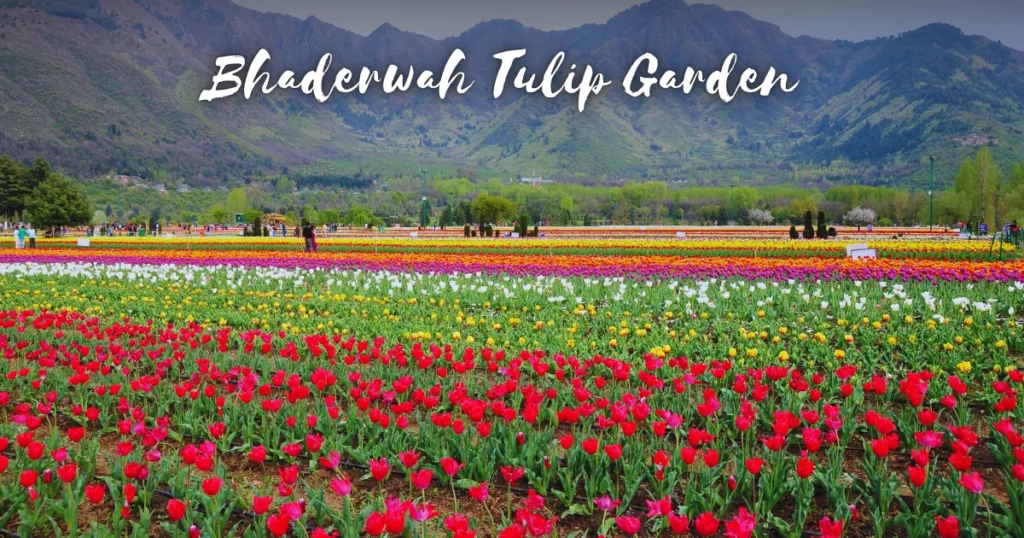
The Bhaderwah Tulip Garden is a new and beautiful tourist spot in Jammu. It is located in Gatha village, close to Bhaderwah town in the Doda district. In 2025, this garden has become one of the top attractions for people looking to enjoy the natural beauty of Jammu. It has over 2.75 lakh tulip flowers spread across colorful beds. The flowers bloom in March and April, just like the famous garden in Srinagar. The place is peaceful, clean, and surrounded by green hills and pine forests. It is being promoted as a top tourist place by the Jammu & Kashmir tourism department. People from across India are visiting the Bhaderwah Tulip Garden in 2025 for its relaxing views, cool weather, and easy access. When is the Best Time to Visit Bhaderwah Tulip Garden in 2025? The best time to visit the Bhaderwah Tulip Garden is during the spring season, which is from late March to mid-April. This is when the flowers are in full bloom and the weather is pleasant. Visit between March 25 to April 15 for the best flower views. Authorities open the garden daily from 8:00 AM to 7:00 PM. Weekdays are better to avoid large crowds. Carry a light jacket, as the evenings can be cold. Our team at Kashmir Tour Package will confirm the latest dates for you before your travel, so you don’t miss the full bloom. How Can You Reach Bhaderwah Tulip Garden? Getting to the Bhaderwah Tulip Garden is easy. It is well connected by road, and our team provides travel support from start to end. From Jammu city, it is about 205 km by road. You can take a taxi or travel by your own car. If you are coming by train, the nearest stations are Jammu Tawi and Udhampur. If you are flying, the nearest airport is Jammu Airport. From Bhaderwah town, the garden is just 5–10 minutes away. We offer full transport packages with pickup and drop so you don’t have to worry about anything. Where Can You Stay Near Bhaderwah Tulip Garden? We have checked and selected the best stay options near the garden for our guests. You can choose from government guest houses, private hotels, and local homestays. Forest View Resort and Lake View Resort are two good options near the garden. BDA Tourist Bungalows offer clean and safe rooms at a good price. Homestays are perfect if you want to enjoy local food and culture. Camping is also possible if you like nature and adventure. All these places are close to the Bhaderwah Tulip Garden and come with basic facilities like hot water, parking, and meals. We take care of all bookings. What Places Can You Explore Near the Tulip Garden? Bhaderwah is not just about tulips. There are many nearby places that you can explore after visiting the garden. Chinta Valley – A green and peaceful valley just 20 km away. Padri Pass – A scenic spot where you can see snow even in April. Seoj Meadow – A great place for nature walks and photos. Jantroon Top – Ideal for trekking and adventure lovers. Bhaderwah Fort – A historical fort to learn about local culture. All these places are just a short drive from the Bhaderwah Tulip Garden and are perfect for families, couples, and nature lovers. What Are the Latest Updates for Bhaderwah Tulip Garden in 2025? Many improvements have been made in 2025 to give visitors a better experience at the Bhaderwah Tulip Garden. A ropeway project has been approved to connect Bhaderwah with Seoj Meadow. New types of flowers like daffodils and hyacinths are also being planted. Eco-friendly rules are in place to protect the environment. Guided tours and flower learning sessions are also planned. All these updates make the garden more visitor-friendly and help protect nature. How Can Kashmir Tour Package Help You Plan the Trip? We are a trusted tour company with experience in Kashmir and Jammu travel. Here’s how we make your trip to Bhaderwah Tulip Garden smooth and enjoyable: Custom-made tour plans based on your travel dates and preferences. Transport, hotel, and food – all included in one package. Local guides to help you understand the culture and nature of Bhaderwah. Real-time updates on flower bloom, weather, and road conditions. 24×7 support from our team during your entire trip. We make sure your trip to Bhaderwah Tulip Garden is safe, comfortable, and memorable. Why is Bhaderwah Tulip Garden Called the New Jewel of Jammu? Bhaderwah Tulip Garden is quickly becoming one of the best places to visit in Jammu. Here’s why: It brings new tourism to Bhaderwah, which was earlier not known for spring travel. The garden is cleaner, quieter, and more peaceful than other big tourist places. The natural beauty around the garden makes it perfect for relaxing and exploring. With government support, it is growing every year. It’s not just a garden—it’s a complete experience of flowers, hills, and culture. FAQs – Bhaderwah Tulip Garden (2025) 1. Where is Bhaderwah Tulip Garden located? It is located in Gatha village, near Bhaderwah town in Doda district, Jammu & Kashmir. 2. What is the best time to visit Bhaderwah Tulip Garden? The best time is between March 25 and April 15, 2025, when the tulips are in full bloom. 3. What are the garden timings? The garden is open daily from 8:00 AM to 7:00 PM during the bloom season. 4. Are there entry fees? Yes, there may be a small entry fee decided by the BDA. We will inform you before your visit. 5. Is it suitable for kids and elderly people? Yes, the garden has walking paths, benches, and safety measures for all age groups. 6. How can I book a complete tour? You can call Kashmir Tour Package, and we will arrange your full trip including travel, stay, and guide. 7. Can I take photos inside the garden? Yes, photography is allowed. It’s a great place for nature and family photos. 8. Are

Bhaderwah
Uncategorized

Bhaderwah Tourist Places That Will Leave You Spellbound

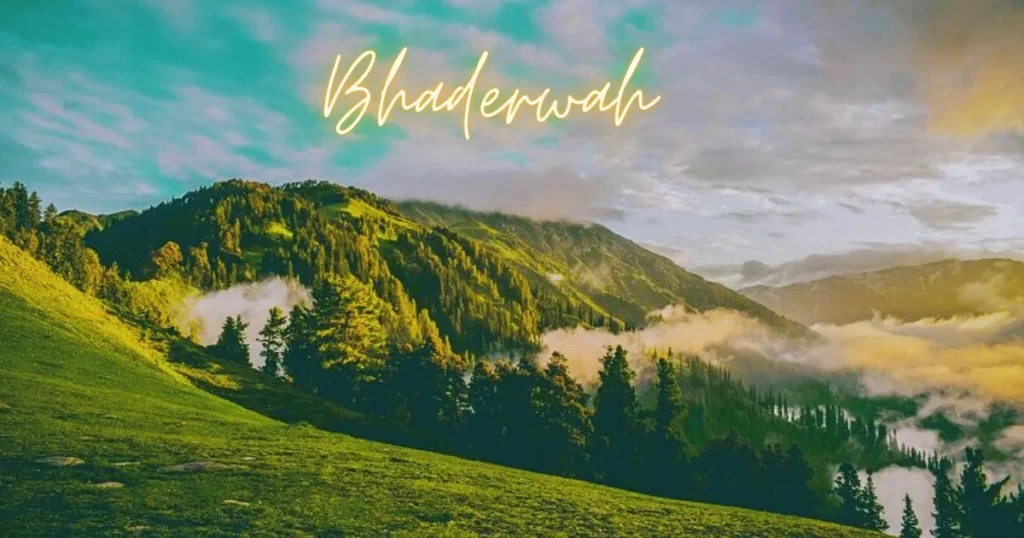
Bhaderwah, often called the “Mini Kashmir” of Jammu, is a peaceful hill town filled with natural beauty, green valleys, and untouched charm. In 2025, this destination has become even more popular due to improved roads, safety updates, and exciting festivals like the Lavender and Bhal Padri Festivals. From the snowy slopes of Jai Valley to the scenic meadows of Padri Pass and spiritual spots like Chinta Valley, Bhaderwah Tourist Places offer something special for every traveler. Whether you’re seeking adventure, peace, or culture, Bhaderwah promises a refreshing experience far from crowded tourist spots. Perfect for families, couples, and nature lovers alike. What Makes Bhaderwah Tourist Places So Special? Bhaderwah, also called “Mini Kashmir,” is one of the most peaceful and beautiful places in Jammu. If you want to see nature in its purest form, this is the right destination for you. Surrounded by green forests, flowing rivers, and mountain views. Less crowded compared to other places in Kashmir. Known for Lavender fields and soft green valleys. Safe and clean place for families, couples, and nature lovers. More tourists are coming here in 2025 because of new roads and festivals. Why trust us? We at Kashmir Tour Package have years of experience guiding people through this lovely land. We provide safe, well-planned tours for everyone. Which Are the Best Bhaderwah Tourist Places for Nature Lovers? Here are some beautiful places you must visit: Jai Valley – Wide green land with a small river, perfect for a picnic or nature walk. Padri Pass – A high point between Bhaderwah and Chamba, good for drives and adventure. Chinta Valley – Surrounded by tall trees and home to a peaceful temple. Bhal Padri – A hidden gem at 11,000 feet, recently opened for tourists. Guldanda & Chattargala – Calm and quiet mountain spots, now open again. These places are not just scenic but also peaceful and fresh. Most people who visit once want to come back again. What New Updates in 2025 Are Making Bhaderwah Easier to Visit? The government is working hard to support tourism in Bhaderwah. Here are some of the latest updates: Bhaderwah–Chamba Road is open again – Making travel from Himachal Pradesh easy. Special festivals like Bhal Padri Festival are being supported. Better safety – Many spots now have police posts and help centers. New ropeway is being planned from Bhaderwah to Seojhdhar hills. Eco-tourism push – More focus on nature-based and village-based tourism. With these improvements, visiting Bhaderwah Tourist Places has become easier and safer. What Festivals Can You Enjoy in Bhaderwah in 2025? Bhaderwah is not just about nature. It is full of life and joy during festivals: Lavender Festival (May) – Fields turn purple, and people celebrate nature. Bhal Padri Festival (July) – Folk music, food, and fun in the hills. Winter Festival (December) – Snow, cultural shows, and warm vibes. Mela Patt (September) – An old and famous local festival. Subar Dhar Festival – Small but spiritual festival celebrated by locals. If you love music, dance, and traditional culture, these festivals will make your trip even more exciting. How Can You Reach Bhaderwah Tourist Places? Getting to Bhaderwah is simple now, thanks to better roads and travel options: By Road: From Jammu via Batote and Doda. Around 8–9 hours by car. By Train: Nearest station is Udhampur (about 4–5 hours by road). By Air: Nearest airport is Jammu. You can get a cab from there. From Himachal: You can also come through the Chamba route now. Local Travel: Cabs and shared taxis are easily available. We offer full support, including vehicle booking, guides, and comfortable stays. Which Bhaderwah Tourist Places Are Best for Adventure and Fun? For those who enjoy outdoor activities, Bhaderwah is full of adventure: Paragliding – Available at Chinta and Khanni Top with trained guides. Snow fun – Visit Jai Valley in winter for snow sports and igloo stays. Trekking – Easy walks to Bhal Padri and Seojhdhar hills. Camping – Enjoy tents and bonfires during summer months. Off-Road Drives – Padri Pass offers exciting hill drives. We make sure all these activities are done with safety in mind and experienced local guides. Where Can You Stay While Exploring Bhaderwah Tourist Places? Here are some good options for stay: KD Resort – Nice resort in a quiet location with great views. Royal Inn – A budget-friendly place close to town. TPR Hotel & Restaurant – Mid-range hotel with good food. Local Homestays – Run by families, very clean and warm hospitality. Tented Stay – During festivals, special tents are set up in meadows. All our stays are selected carefully, and we only offer clean and safe places for our guests. What Should You Carry for a Trip to Bhaderwah in 2025? Here’s a simple packing list: For Summer: Light woolens, walking shoes, cap, sunscreen. For Winter: Heavy jackets, gloves, woolen socks, thermals. For Monsoon: Raincoat, waterproof shoes, insect repellent. For Adventure: ID proof, small backpack, first-aid kit, torch. Travel Papers: Keep a copy of your ID and booking details. Before your trip, we’ll share a full checklist to make packing easy. Why Choose Kashmir Tour Package for Bhaderwah Tourist Places? We are one of the most trusted names in Jammu & Kashmir travel. Here’s why: We have over 10 years of experience. We offer custom tour plans for families, couples, and groups. We keep you updated with 2025 rules and weather info. Our drivers and guides are trained and local. We give 24×7 support during your journey. Traveling with us means you enjoy Bhaderwah without worry. FAQs – Bhaderwah Tourist Places 1. What is the best time to visit Bhaderwah? The best time is from April to June and September to November. For snow, visit in December or January. 2. Is Bhaderwah safe to visit in 2025? Yes, it is safe. New safety measures and police presence have been added. 3. How far is Bhaderwah from Jammu? It’s about 200 km, and it takes 8–9 hours by road. 4. What are some

Scroll to Top

GET FREE ITINERARY